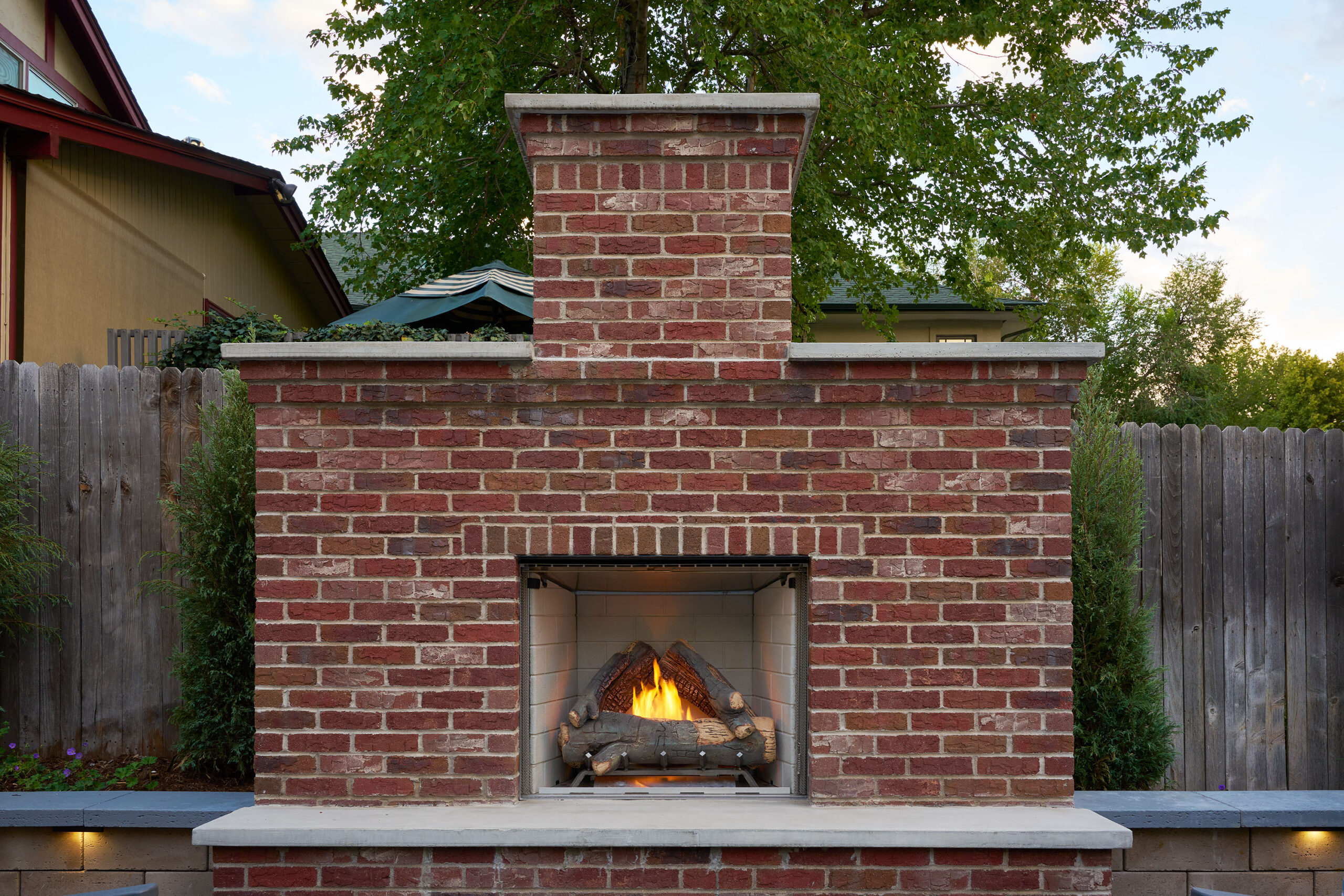
Tag: fire features

  • Outdoor Fireplace Installation in Englewood, CO: What Separates a Fireplace That Lasts From One That Fails

    Outdoor Fireplace Installation in Englewood, CO: What Separates a Fireplace That Lasts From One That Fails

    An outdoor fireplace turns a patio into the place everyone gathers, the anchor a whole backyard organizes around. That is also why a rushed outdoor fireplace installation shows its flaws so fast in Englewood, CO, where altitude, dry air, and a hard freeze-thaw cycle punish anything built without a plan.

    The part that decides whether a fireplace draws well and stands for decades sits where no one looks: the footing under it, the firebox and flue inside it, and the materials chosen for this specific climate. Get those right once and the fireplace becomes a fixture. Get them wrong and the cracks, the smoke problems, and the settling start the first year.

    Down to Earth Landscaping has designed and built outdoor living spaces across the Denver metro since 2012, and a three-time ALCC Award-winning portfolio of fire features and patios is what shapes how the team approaches a fireplace before a single block gets set. That experience reads a property’s grade, wind, and soil first, because those conditions decide how the fireplace gets built.

    The sections below cover what the work actually involves, how to choose between fuel types and placement, and what separates an installer who builds for the long run from one who builds for the photo.

    Related: 6 Ways Landscaping and an Outdoor Fireplace Transform Denver Country Club, CO Properties

    What Does Outdoor Fireplace Installation Actually Involve?

    Outdoor fireplace installation is masonry and structural work, not decoration. The finished stone face is the last and smallest part of the job. Everything that controls safety, draft, and lifespan happens in the foundation, the firebox, and the flue.

    The Foundation Under the Fireplace

    A masonry fireplace weighs thousands of pounds, and that weight needs a footing built to carry it. The work starts with excavation and a poured concrete footing sized to the structure and set below the frost line, so the ground freezing in winter does not heave the fireplace and split it apart. Along the Front Range, frost depth and expansive soils make this step non-negotiable. A fireplace set on a thin slab or on undisturbed clay tilts and cracks within a few seasons.

    Reinforcement matters as much as depth. Rebar ties the footing together so the load spreads evenly instead of concentrating on one weak point. A crew that pours a proper reinforced footing builds a fireplace that stays plumb and square for the life of the patio.

    The Firebox and Flue

    Inside the structure, the firebox and flue do the real work. The firebox holds the heat and gets built from firebrick and refractory mortar rated for the temperatures a fire produces. Standard block and mortar break down under that heat, so the materials here are specific and not interchangeable.

    The flue carries smoke up and away, and its size and height decide whether the fireplace draws cleanly or pushes smoke back toward the seating. A correctly sized flue, built tall enough for the firebox opening, is the difference between an evening around the fire and an evening in the smoke. This is the calculation weekend builds skip most often.

    Gas Lines, Clearances, and Code

    A gas fireplace adds a gas line that a licensed professional runs and pressure-tests. Every fireplace also answers to clearance rules that keep combustible materials, fences, eaves, and low branches a safe distance from the firebox. Arapahoe County and the surrounding municipalities enforce these standards, and a permitted installation protects the homeowner and the property. An installer who works this area builds to those codes from the start rather than discovering them after the fact.

    Drainage and Water Management

    Water is the quiet enemy of outdoor masonry. Rain and snowmelt that collect around the footing or soak into the structure freeze, expand, and crack the fireplace from the inside. A proper build slopes the surrounding patio to move water away, seals the masonry against moisture, and caps the chimney so rain does not fall straight into the flue. In a climate that cycles above and below freezing dozens of times a winter, this water management keeps hairline gaps from turning into structural cracks.

    Integration With the Patio and Yard

    A fireplace rarely stands alone. It ties into the patio surface, the seating, the surrounding grade, and often a full outdoor living layout with a kitchen or lighting nearby. A design-build team coordinates the fireplace with all of it, so the finished structure looks intentional and the drainage, the traffic flow, and the sight lines all work together instead of fighting each other.

    Wood-Burning or Gas: Which Outdoor Fireplace Is Right for Your Yard?

    The choice between wood and gas shapes the cost, the maintenance, and the daily experience of the fireplace. Neither option wins outright. The right answer depends on how a household plans to use the space.

    The Case for Wood-Burning

    A wood-burning fireplace delivers the crackle, the scent, and the radiant heat that many homeowners want from a fire. It needs no gas line, so placement stays flexible. The tradeoffs are real: wood requires storage, the fire takes time to build and tend, and cleanup follows every use.

    Colorado adds one more consideration. The Front Range sees fire restrictions and burn bans during dry stretches, and a wood fireplace goes unused whenever a ban is in effect. A household that entertains through summer weighs that limitation against the appeal of a real wood fire.

    The Case for Gas

    A gas fireplace lights with a switch, produces steady heat, and creates no ash or smoke. It runs during most burn restrictions that shut down wood fires, which extends the usable season in this climate. The upfront cost runs higher because of the gas line and the burner system, and the flame reads more uniform than a wood fire.

    For homeowners who want the fireplace available on a weeknight with no setup, gas earns its cost through convenience and a longer season of use.

    Matching the Fireplace to the Space

    Beyond fuel, the size and style of the fireplace answer to the yard. A tall fireplace anchors a large patio and blocks wind, while an oversized structure overwhelms a compact space and throws too much heat into a small seating area. The material and finish tie the fireplace to the home’s architecture and the rest of the hardscape. A design conversation up front settles these choices before any material gets ordered, which protects the budget and the result.

    Maintenance Over the Years

    Every outdoor fireplace needs upkeep, and the amount depends on the fuel. A wood fireplace needs the firebox cleared of ash and the flue checked for buildup that restricts draft and raises fire risk. A gas fireplace needs the burner and gas connections inspected so it lights reliably and burns clean. Both benefit from an annual look at the masonry for early cracks, because a small repair caught in spring costs far less than a rebuild after the damage spreads. A homeowner who plans for this upkeep keeps the fireplace performing for years.

    How Do You Choose the Right Spot for an Outdoor Fireplace in Colorado?

    Placement decides how often a fireplace gets used and how well it performs. The best spot balances wind, sun, safety, and the way people move through the yard.

    Reading Wind and Prevailing Weather

    Wind drives smoke and steals heat. A fireplace positioned against the prevailing wind pushes smoke into the seating and burns through fuel fast. A team that studies the site places the fireplace so it blocks wind for the gathering area rather than funneling it, and orients the opening toward where people sit. Along the Front Range, afternoon gusts and sudden weather shifts make this reading especially important.

    Sun, Shade, and Season

    Coloradans use their yards year-round, so the sun matters. A fireplace paired with a patio that catches afternoon and evening sun extends the comfortable hours into the shoulder seasons. Pairing the fireplace with a pergola or shade structure balances the hot high-altitude sun during the day against the warmth of the fire at night.

    Safety Clearances and Sight Lines

    Placement also answers to safety. The fireplace needs clearance from the house, fences, trees, and any low structures, and the design routes foot traffic away from the fire rather than through it. Good placement also frames a view, so the fireplace becomes a focal point from the house and the yard rather than an object stuck in a corner. Balancing all of these at once is where an experienced designer earns the fee.

    Distance From the House and Entertaining Flow

    How far the fireplace sits from the house shapes how the space gets used. Set it too far and the walk discourages a quick fire on a cool night. Set it too close and heat and smoke drift toward the doors and windows. The right distance keeps the fireplace an easy few steps from the kitchen or the back door while holding heat and smoke clear of the home. The seating then wraps the fire without blocking the path between the house and the rest of the yard.

    Related: Outdoor Kitchen and Fire Pit Designs for Highlands Ranch & Lone Tree, CO Homes

    What Should You Look for in an Outdoor Fireplace Installation Company?

    Plenty of contractors offer to build a fireplace. Far fewer build one that drafts correctly and survives Colorado winters. The difference shows up in credentials, in the plan on paper, and in the way the company prices and stands behind the work.

    Local Experience and a Real Portfolio

    A company that has built fire features along the Front Range understands the frost depth, the soil, the wind, and the burn regulations that a general contractor overlooks. Ask how long the company has worked in the area and ask to see completed fireplaces nearby. Down to Earth Landscaping has built outdoor living spaces across the Denver metro since 2012 and holds three ALCC awards for its work, which means its crews design for local conditions rather than a generic template.

    A Design-Build Process, Not Just a Crew

    The strongest sign of a serious installer is a design process that plans the fireplace as part of the whole space. A company that produces a design, explains the footing and the flue, and coordinates the fireplace with the patio and drainage treats the project as a system. A crew that jumps straight to stacking block skips the parts that determine whether the fireplace works.

    Licensing, Insurance, and Permits

    Verify licensing and insurance before any work begins, and confirm the company pulls the required permits and runs gas lines through a licensed professional. A properly insured, permitted installation protects the homeowner if anything goes wrong, and a company that handles permitting as routine has done this correctly many times.

    A Clear Estimate and Quality Materials

    A trustworthy estimate breaks out excavation, the footing, the firebox materials, the flue, the gas work, and the finish as separate lines, so a homeowner sees where the money goes and where a cheaper bid cuts a structural corner. Ask about the materials too. Firebrick, refractory mortar, and quality segmental units or natural stone resist the freeze-thaw wear that degrades bargain materials. The company that specifies the right materials builds a fireplace that looks the same in year ten as it did on day one.

    References and a Written Warranty

    A company with a track record shows it. Ask for photos of fireplaces the crew has built nearby, and ask to speak with past clients about how the structure held up after a winter or two. The most useful reference is a fireplace that has drawn clean and stayed crack-free through several freeze-thaw cycles. Confirm the warranty as well, and check what it covers and for how long. A company that guarantees the structure in writing has confidence in the work under the finish.

    What Does the Outdoor Fireplace Installation Process Look Like?

    A professional outdoor fireplace project follows a clear sequence, and knowing it prepares a homeowner for the work and shows where quality gets built in. At Down to Earth Landscaping, the fireplace runs through a full design-build process rather than a standalone task dropped onto a patio.

    Consultation and Design

    The process opens with a consultation and a study of the property. The team reads the grade, the soil, the wind, and the way the household wants to use the space, then translates that into a design that sets the fireplace in context with the patio and the rest of the yard. Seeing the design before construction lets a homeowner adjust the size, placement, and materials while changes cost nothing.

    Excavation, Footing, and Build

    From there the project moves through a consistent set of steps:

    • A consultation, site assessment, and design tailored to the property
    • Permitting and gas-line planning for the fireplaces that require them
    • Excavation and a poured, reinforced footing set below the frost line
    • Construction of the firebox from firebrick and refractory materials
    • A correctly sized and vented flue built to draw cleanly
    • Gas-line installation and pressure testing by a licensed professional
    • The stone or masonry finish tied to the home and the hardscape
    • Integration with the patio, seating, lighting, and drainage
    • A final walkthrough and instruction on operating the fireplace

    Each step depends on the one before it, which is why an experienced crew and a coordinated process produce a stronger result than a rushed build. The care taken during the footing and the firebox determines whether the visible fireplace performs for decades.

    Timeline and Site Care

    Timeline depends on the size and complexity of the fireplace and whether gas and permitting are involved. A straightforward wood fireplace wraps up faster than a large gas structure integrated into a full outdoor living build. A professional gives a realistic schedule up front, protects the site during the work, and restores the surrounding yard once the fireplace is complete.

    Anchor Your Backyard With an Outdoor Fireplace From Down to Earth Landscaping

    An outdoor fireplace is a long-term investment in how a family uses its yard, and the installer decides whether that investment lasts. The right partner builds the footing, the firebox, and the flue to a standard the finished stone never reveals, so the fireplace draws clean and holds its ground through every Colorado season.

    Homeowners across Englewood and the Denver metro trust Down to Earth Landscaping to design and build outdoor fireplaces that pair a refined look with the structure to back it up. As a three-time ALCC Award winner building outdoor living spaces since 2012, the team treats the fireplace as the anchor of a larger space and coordinates it with the patio, the lighting, and the yard around it.

    Schedule an outdoor fireplace installation consultation with Down to Earth Landscaping today, and work with a team that builds fireplaces designed to last in Englewood, CO.
    Related: Outdoor Lighting and Fire Pit Setups for Backyard Movie Nights in Cherry Hills Village and Centennial, CO


  • Create a Cozy Backyard Retreat With a Deck Builder and Outdoor Fireplace in Lone Tree, CO

    Create a Cozy Backyard Retreat With a Deck Builder and Outdoor Fireplace in Lone Tree, CO

    A well-designed outdoor space can completely transform how you use your backyard. Homeowners are turning to a deck builder and outdoor fireplace in Lone Tree, CO, to create functional and inviting outdoor areas. Our team of professionals handles every aspect of the project, from planning and design to installation, ensuring your backyard retreat works seamlessly with your lifestyle. A thoughtfully designed deck paired with an outdoor fireplace allows you to enjoy your backyard year-round, whether hosting friends or relaxing after a long day.

    Related: How Professional Deck Builders Create Lasting Luxury With Composite Decks in Cherry Creek, CO

    How a Deck Transforms Your Backyard

    A professionally built deck extends your living space outdoors. It becomes a central gathering area for family and friends, while also providing structure and flow to your backyard. Our team considers your backyard’s layout, existing features, and sun exposure to determine the best size and placement. We install decks that blend with your home and make movement between indoor and outdoor spaces natural and convenient. A deck can support seating areas, dining spaces, and even plantings, creating a multi-functional space you can enjoy for years.

    Adding a deck also allows for creative integration with other outdoor elements. For example, a deck can provide a raised platform for a barbecue area or a space to showcase decorative plantings. Our professionals ensure that all elements are cohesive, balancing form and function. When combined with an outdoor fireplace, your deck becomes the heart of your backyard, a place where everyone can gather comfortably. A deck also enhances the organization of your backyard, clearly defining spaces for different activities.

    Benefits of an Outdoor Fireplace

    An outdoor fireplace adds warmth, light, and atmosphere to your backyard. It extends the usability of your deck into cooler months, letting you host gatherings in comfort. Our team selects materials and designs that complement your deck and overall landscape design. A fireplace can be a focal point, creating a cozy gathering space and enhancing the ambiance of your outdoor area. Fireplaces can be built from stone, brick, or concrete, giving you options that match your preferred style and setting.

    Outdoor fireplaces provide more than just heat. They also create an inviting visual feature that encourages people to gather around. Our professionals can design fireplaces that include seating ledges or incorporate storage for firewood, adding both practicality and style. Placing the fireplace strategically on your deck ensures warmth reaches your key gathering areas. When paired with lighting, your fireplace becomes the centerpiece of a stunning backyard retreat.

    Planning Your Deck and Fireplace Layout

    Proper planning ensures your deck and outdoor fireplace function together seamlessly. Our team of deck builders conducts a thorough site assessment, measuring your backyard, evaluating sun and shade patterns, and noting existing structural elements. We consider how you will use your space, whether for entertaining, outdoor dining, or quiet relaxation. Each decision, from size to shape, is made with purpose to create a balanced, functional backyard. Planning also includes considering how plantings, walkways, and other features will interact with your deck and fireplace.

    We also plan for traffic flow, making sure people can move easily between your deck, fireplace, and other backyard spaces. Placement of furniture, planters, and lighting is part of the design, ensuring your deck is comfortable and practical. Our professionals consider sightlines, so your fireplace can be enjoyed from multiple angles. Thoughtful planning results in a space that looks and feels cohesive.

    Choosing the Right Materials

    Material selection is critical to the durability and look of your deck and fireplace. Our team recommends materials that can withstand Colorado’s climate while complementing your home. For decks, we typically work with high-quality wood, composite, or low-maintenance alternatives that provide longevity and style. For fireplaces, stone and brick are popular choices for their natural appearance and heat retention. Selecting materials that work together ensures your outdoor space feels unified and polished.

    Materials also influence the feel and function of your backyard. Smooth composite decking can be cooler underfoot in summer, while natural wood offers a traditional, warm aesthetic. Stone fireplaces provide texture and interest while remaining resilient against the weather. Our team guides you in choosing finishes and colors that blend seamlessly with your landscape design. Every material is selected with your comfort and enjoyment in mind.

    Integrating Outdoor Lighting and Plantings

    Outdoor lighting and plantings enhance the usability and appeal of your deck and outdoor fireplace. Our team can install ambient lighting around the deck and fireplace to highlight key areas and create a warm, inviting glow in the evening. Plantings can be arranged around your deck to soften edges, provide privacy, and add seasonal color. The right combination of lighting and greenery makes your backyard a welcoming retreat at any time of day. Lighting also ensures safety by illuminating walkways and stairs around your deck.

    Plantings can also serve functional purposes, like guiding traffic flow or framing seating areas. By selecting plantings with varied heights and textures, our team adds depth and visual interest. Strategic lighting draws attention to features like your fireplace, making it the focal point of your backyard. Together, lighting and plantings elevate your deck and fireplace beyond basic functionality, creating a beautiful and practical outdoor space.

    Designing for Year-Round Use

    A deck and fireplace combination allows you to enjoy your backyard in all seasons. Our team considers factors such as sun exposure, wind patterns, and the Colorado climate when designing your space. Covered sections, seating arrangements, and firewood storage are integrated to enhance comfort throughout the year. With thoughtful design, your deck and fireplace provide a reliable space for relaxation, entertaining, and gathering with friends and family. Features like durable furniture, weather-resistant finishes, and a well-placed fireplace make the space enjoyable even in cooler months.

    Year-round usability is further enhanced by optional features such as pergolas or retractable shades. These provide shelter from the sun or light rain, expanding your outdoor comfort. Even plantings can enhance seasonal enjoyment, offering color, privacy, and a natural buffer against wind. Our team ensures that your deck and fireplace function beautifully year-round, providing a space you will use often.

    Practical Considerations for Your Deck and Fireplace

    Practical considerations are essential when planning your deck and outdoor fireplace. Our team ensures your deck meets all local building codes and uses secure railings, proper supports, and durable, non-slip surfaces. Fireplaces are positioned to minimize risk, and fire-resistant materials are used for surrounding areas. We also consider lighting placement and sightlines to prevent trips and falls. A well-designed layout lets you enjoy your backyard without worry.

    Practical design also focuses on the efficient use of space. Our team of deck builders ensures your deck can accommodate seating, outdoor dining, and movement without feeling crowded. Firewood storage is integrated into the design to keep your fireplace area organized. We recommend layouts that make your backyard easy to navigate and functional for daily use. Every detail is carefully considered to create a comfortable, functional, and inviting outdoor retreat.

    Maximizing Comfort and Style

    A deck and outdoor fireplace provide both comfort and style. Comfortable seating, integrated lighting, and well-planned plantings create a welcoming atmosphere. Our team focuses on creating a cohesive design that blends your deck, fireplace, and landscaping. Style is enhanced by material selection, color schemes, and decorative elements that complement your home. The result is a backyard retreat that is both visually appealing and enjoyable to use.

    Comfort is further increased through thoughtful furniture placement, shaded areas, and flexible spaces for socializing or quiet relaxation. Our team ensures the fireplace and deck work together to create natural gathering spots. The combination of functional design, quality materials, and aesthetic appeal results in a backyard that feels complete. Every detail is carefully designed to provide a space where you can relax, entertain, and enjoy the outdoors.

    Related: Types of Patio Covers a Deck Builder Can Create for Your Outdoor Space in Lone Tree and The Pinery, CO

    deck builder and outdoor fireplace lone tree co

    What Are the Different Types of Outdoor Fireplaces?

    Outdoor fireplaces come in several styles, each offering unique design potential for your backyard. The most common options include traditional wood-burning fireplaces, gas fireplaces, and modern electric models. Wood-burning fireplaces create a natural, classic feel with real flames and the scent of burning wood. Gas fireplaces, on the other hand, offer convenience and consistent flames at the push of a button, making them ideal for homeowners who enjoy effortless warmth. Electric fireplaces provide a clean-burning option that works well in covered or partially enclosed areas.

    Our team of professionals helps you decide which type fits best with your deck layout and lifestyle. We consider factors like space, local codes, and how you plan to use the space. Materials such as stone, brick, or concrete can be used to complement your home’s exterior and outdoor décor. Some homeowners even choose double-sided fireplaces that serve multiple areas at once, creating a smooth transition between dining and lounging spaces. Whether you prefer rustic charm or sleek modernity, the right fireplace design can anchor your outdoor area and make it the highlight of your backyard.

    Can You Paint an Outdoor Fireplace?

    Yes, an outdoor fireplace can be painted, but it requires the right materials and preparation. Specialized heat-resistant paints are used to ensure durability and long-term performance. Our professionals handle every step, from cleaning and priming to applying even, high-quality coatings that can withstand heat and outdoor conditions. Color selection is an important part of the process since the finish should complement the rest of your deck and backyard design.

    If your fireplace is built from brick, stucco, or stone, our team evaluates which paint or stain works best for that surface. Lighter tones can help brighten your outdoor space, while deeper colors bring warmth and sophistication. Some homeowners prefer subtle color accents that tie into their deck furniture or pergola features. With professional guidance, your fireplace can maintain its strength and structure while adding visual interest that enhances the entire backyard.

    What Is the Best Shape for a Deck?

    The best deck shape depends on your property layout, how you use your outdoor space, and the architectural style of your home. Rectangular and square decks are the most traditional choices, providing a clean and organized look that works well for dining areas and furniture placement. Curved or multi-level decks, however, offer more flow and visual variety, especially when designed around landscaping or structural elements like trees and outdoor fireplaces.

    Our team evaluates your backyard’s contours, sunlight exposure, and access points to determine the most functional layout. A deck with rounded edges can create a softer, more natural feel, while angled designs highlight modern architecture. Multi-tiered decks allow for distinct activity zones such as cooking, lounging, and entertaining, all connected by steps or integrated planters. Every deck we build is custom-designed to complement your home and lifestyle. The result is a structure that feels intentional and welcoming from every perspective.

    Should Your Deck Be Lighter or Darker Than Your House?

    Choosing whether your deck should be lighter or darker than your house depends on your style preferences and the overall design effect you want to achieve. A lighter deck color can make your outdoor area feel larger and more open. It reflects sunlight, keeping the surface cooler underfoot and providing a soft contrast against darker siding or trim. A darker deck color, however, adds warmth and depth, especially if your home has lighter tones. It can also create a striking visual anchor that draws attention to the outdoor fireplace or seating area.

    Our design team helps you find the perfect balance of color and tone. We assess your home’s exterior finishes, landscaping, and surrounding structures to ensure the deck color complements the entire scene. Many homeowners choose a color that echoes an existing accent, such as window trim or roof material, to create a cohesive appearance. Whether you choose light or dark tones, our professionals make sure your deck feels like a natural extension of your home.

    Working With Professionals

    Hiring a professional deck builder and outdoor fireplace expert ensures your project runs smoothly from start to finish. Our team handles planning, material selection, and installation, coordinating every aspect to save you time and stress. Professionals have the knowledge to address potential challenges, optimize space, and ensure your backyard meets safety and code requirements. Working with experts guarantees a finished project that meets your expectations.

    Professionals also bring creative solutions to design challenges, making your backyard both functional and beautiful. Our experience allows us to balance aesthetics with practicality, resulting in a space you will enjoy daily. Clear communication and coordination with our team ensures every step of the process is seamless. By relying on experts, you can focus on enjoying your backyard instead of worrying about construction details.

    Related: Durable Masonry Solutions for Patios, Fire Features, and Retaining Walls at Your Centennial, CO Home