
Outdoor Kitchens
Let’s Talk About Your Outdoor Kitchen Project
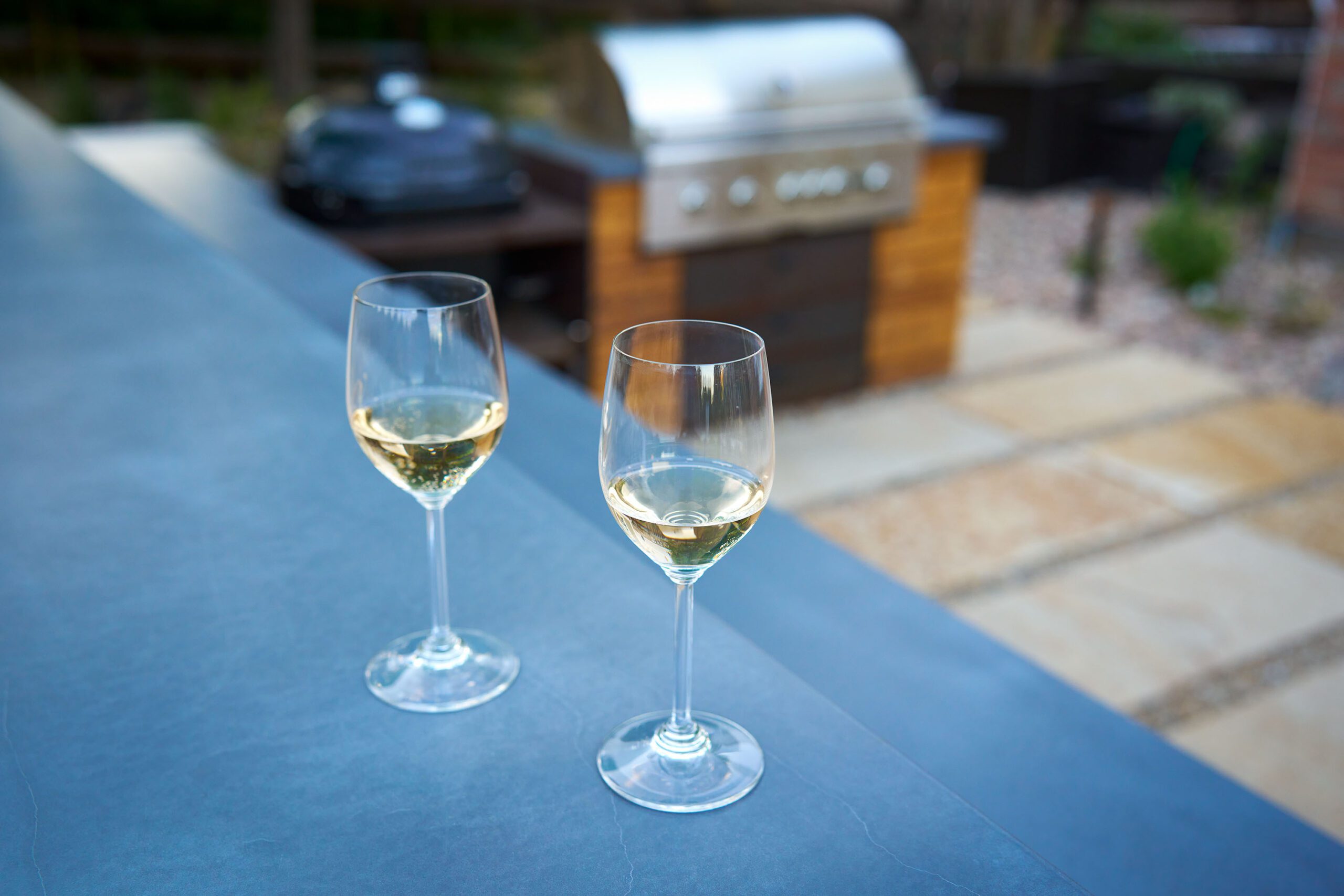
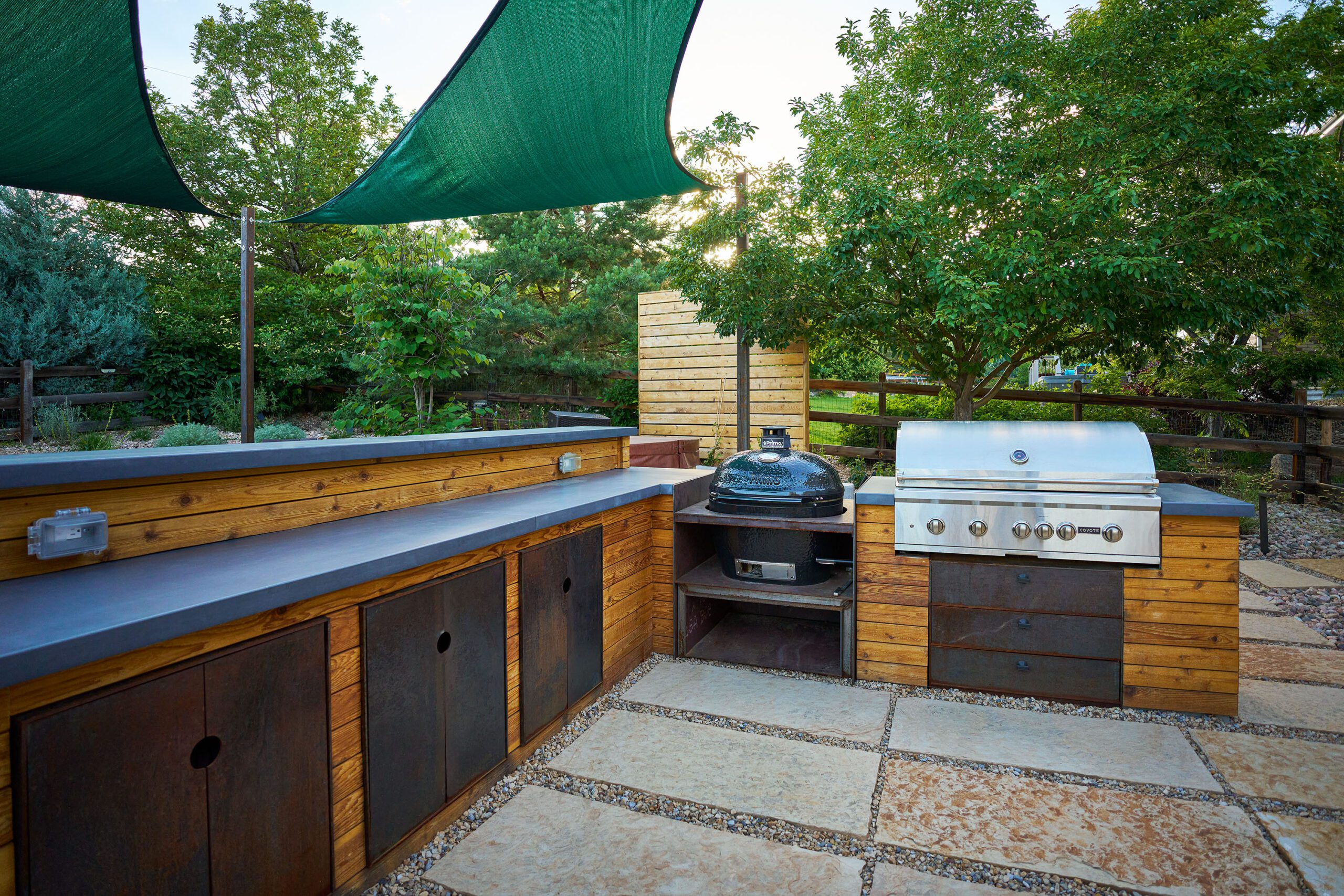
Outdoor kitchens are a fantastic addition to any outdoor living space, providing a multitude of benefits that can transform your outdoor experience. Firstly, they create an ideal setting for entertaining friends and family. With an outdoor kitchen, you can effortlessly host gatherings and cook delicious meals while enjoying the fresh air and beautiful surroundings. It’s the perfect way to blend culinary expertise with the great outdoors. Moreover, outdoor kitchens extend your living space, effectively creating an outdoor room. This expansion of your home allows for more versatility in how you use your outdoor area. Whether it’s a cozy family dinner, a game day barbecue, or a romantic evening under the stars, outdoor kitchens provide the perfect setting. Plus, they can increase the value of your property, making it a wise investment for homeowners. With the convenience and luxury of outdoor cooking and dining, you’ll find that an outdoor kitchen truly enhances your outdoor lifestyle.
Fill out this form to get started:
Outdoor Kitchen Gallery

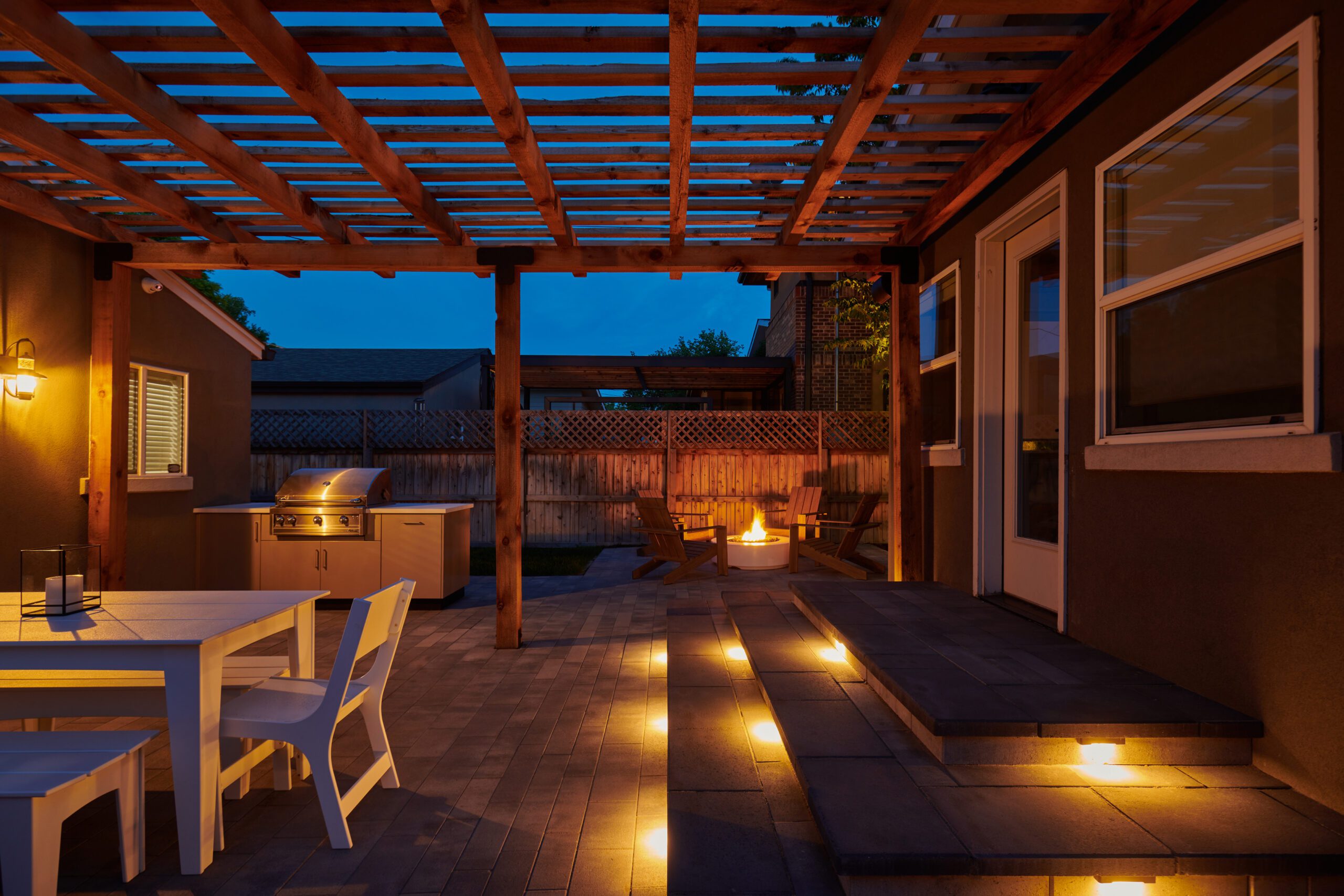

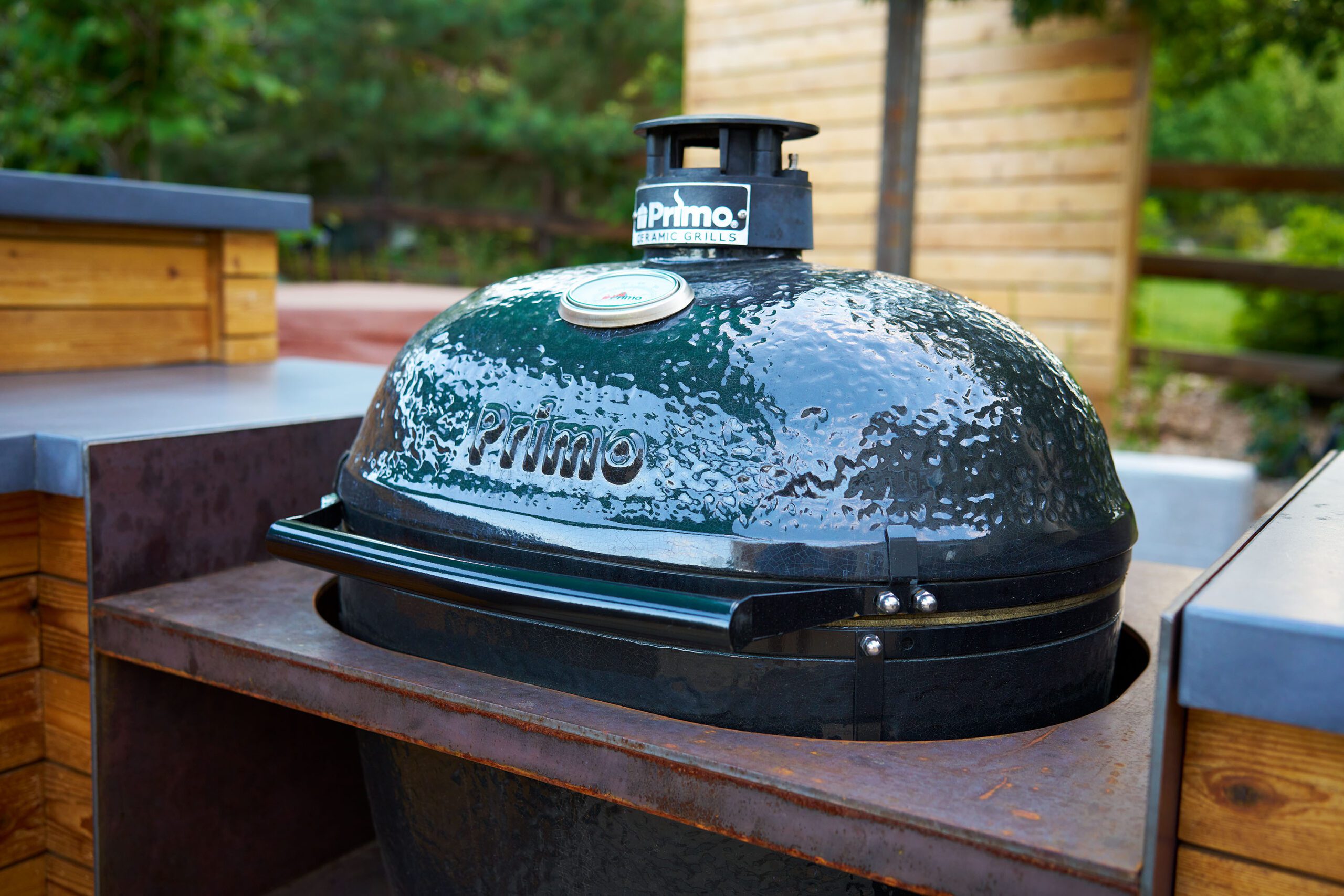
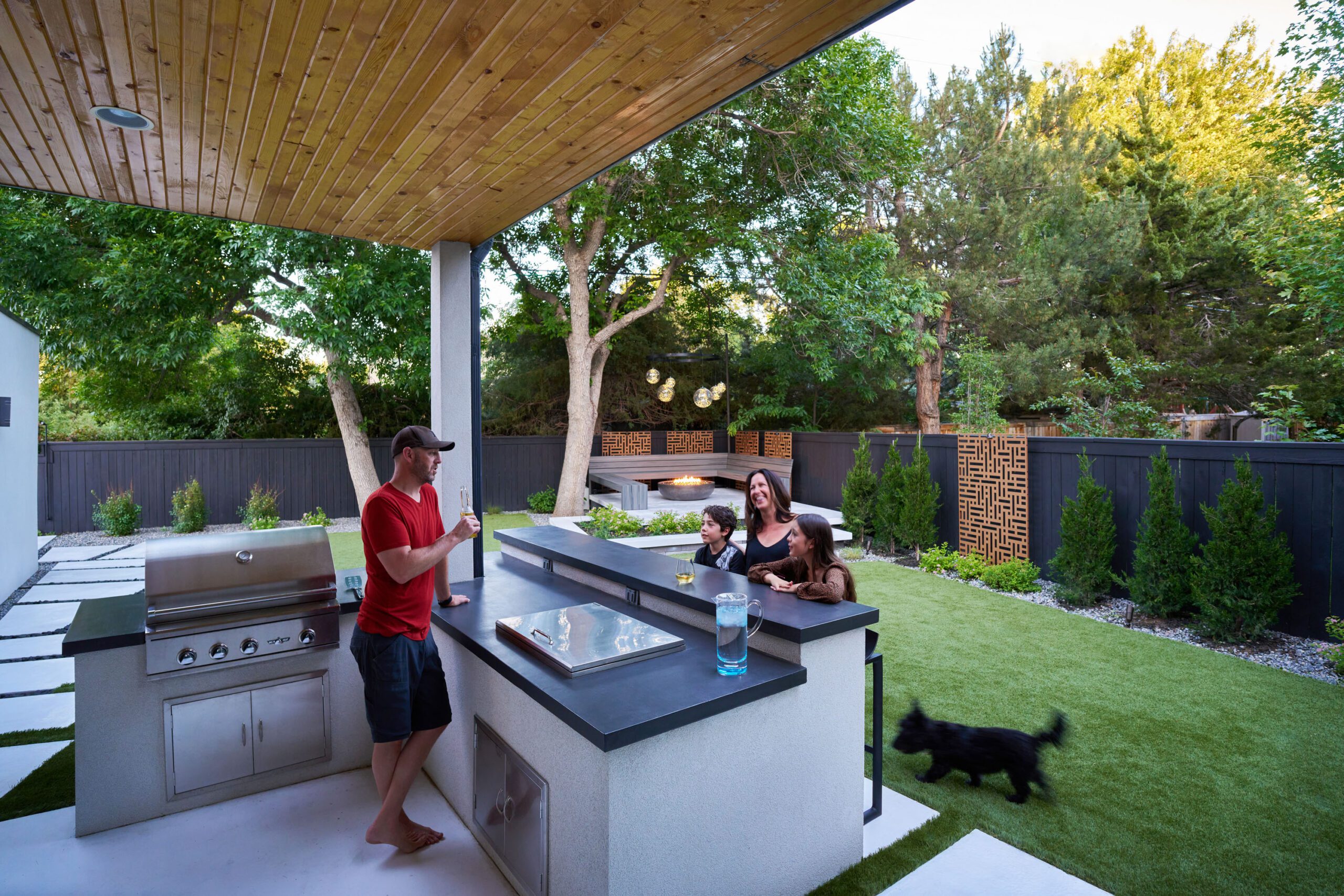
Client Testimonials

“My husband and I had never before done any remodeling outdoors. Our home has a small, Denver yard yet we wanted room for our family of 4, with dining, fire pit space, and grass space for kids and dogs to play. We had a lot on our wish list. DTE delivered the most beautiful result essentially doubling our home square footage now that we are able to use the outdoor space! They had great suggestions for materials, pivoted when we made changes, were exceptionally professional and have continued to be a resource for us since our project wrapped up 2 years ago! We value their opinion on so much because we know we are getting the opinion of a team of folks who genuinely care about the quality of work they deliver. DTE is truly a one-of-a-kind team.”
– Nancy W.
“We completely redid our landscape, including new gravel and flagstone paths, paver patios, raised garden beds, a fire pit area, moss rock boulders, landscape lighting, hammock posts, a fountain, lots of plants, a couple orchard areas with fruit trees, irrigation, and seeded areas. We were very pleased with Chuck’s communication with us, and the team the did the install (Colin, Colin, Ty, and Nicole, primarily) we’re great. Colin and I had regular check-ins to make sure we were in the same page and everything was according to the design and our wishes. DTE was responsive when we needed to make changes or troubleshoot things on the fly. We are very pleased with the final product and would work with DTE on future projects. Our dog and 1 year old daughter really enjoyed having everyone around and became good friends worth the crew. I recommend working with DTE.”
– Casey F.
“DTE took our barren back yard and turned it into our very own urban backyard retreat. Chuck truly listened to us when we shared our vision and developed a design that is a perfect fit for how we wanted to utilize our backyard space. Chuck, Jeff, Colin and the rest of the crew were 100% professional and responsive to all of our wishes and requests for the project as it moved along and we could not have been happier with the experience. We have enthusiastically recommended this terrific team to friends and neighbors!”
– Tammy C.
Let’s Get Cookin’
Frequently Asked Question
What is included in an outdoor kitchen installation?
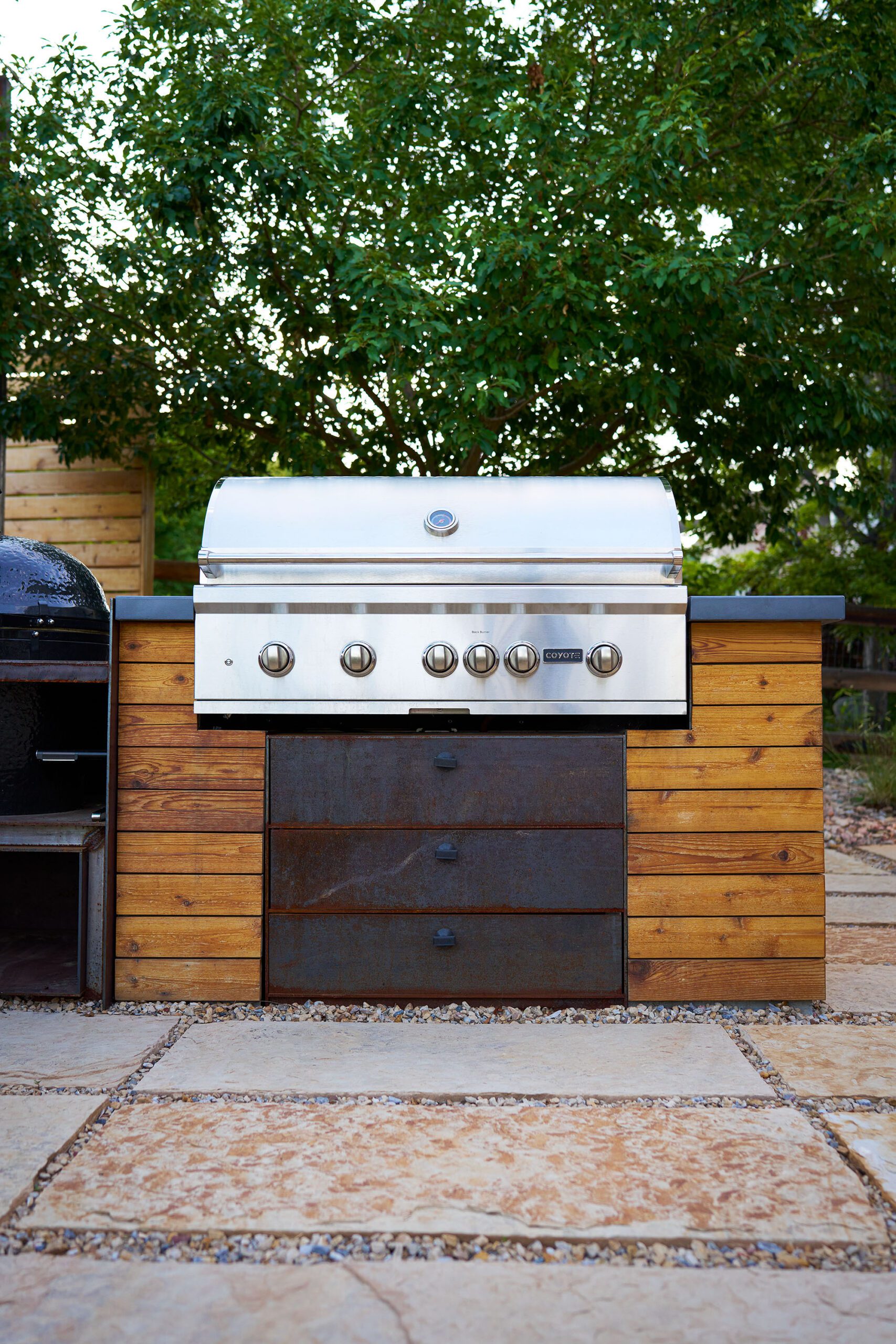
An outdoor kitchen installation covers the masonry or framed structure, countertop surfaces, the grill and any built-in appliances, and the utility runs that serve them. Gas, electrical, and water lines get planned during design so trenching happens before hardscape goes down rather than after. Down to Earth Landscaping builds outdoor kitchens as part of larger outdoor living projects where the cooking area, patio, and seating are designed as one space. Counter height, prep space, and traffic flow around the grill get resolved on the drawing rather than on site.
How do outdoor kitchens hold up through Colorado winters?
Outdoor kitchens built for the Front Range use freeze-resistant construction: masonry or weather-rated framing, sealed stone or concrete countertops, stainless components, and water lines that can be shut off and drained before the first hard freeze. Temperature swings above 5,000 feet stress materials harder than they do at sea level, so material selection matters more here than in milder climates. Appliances rated for outdoor use handle the exposure that indoor-rated equipment fails under within a season or two. Winterization steps are walked through at project completion.