Tag: outdoor spaces

  • Outdoor Fireplace Installation in Englewood, CO: What Separates a Fireplace That Lasts From One That Fails

    Outdoor Fireplace Installation in Englewood, CO: What Separates a Fireplace That Lasts From One That Fails

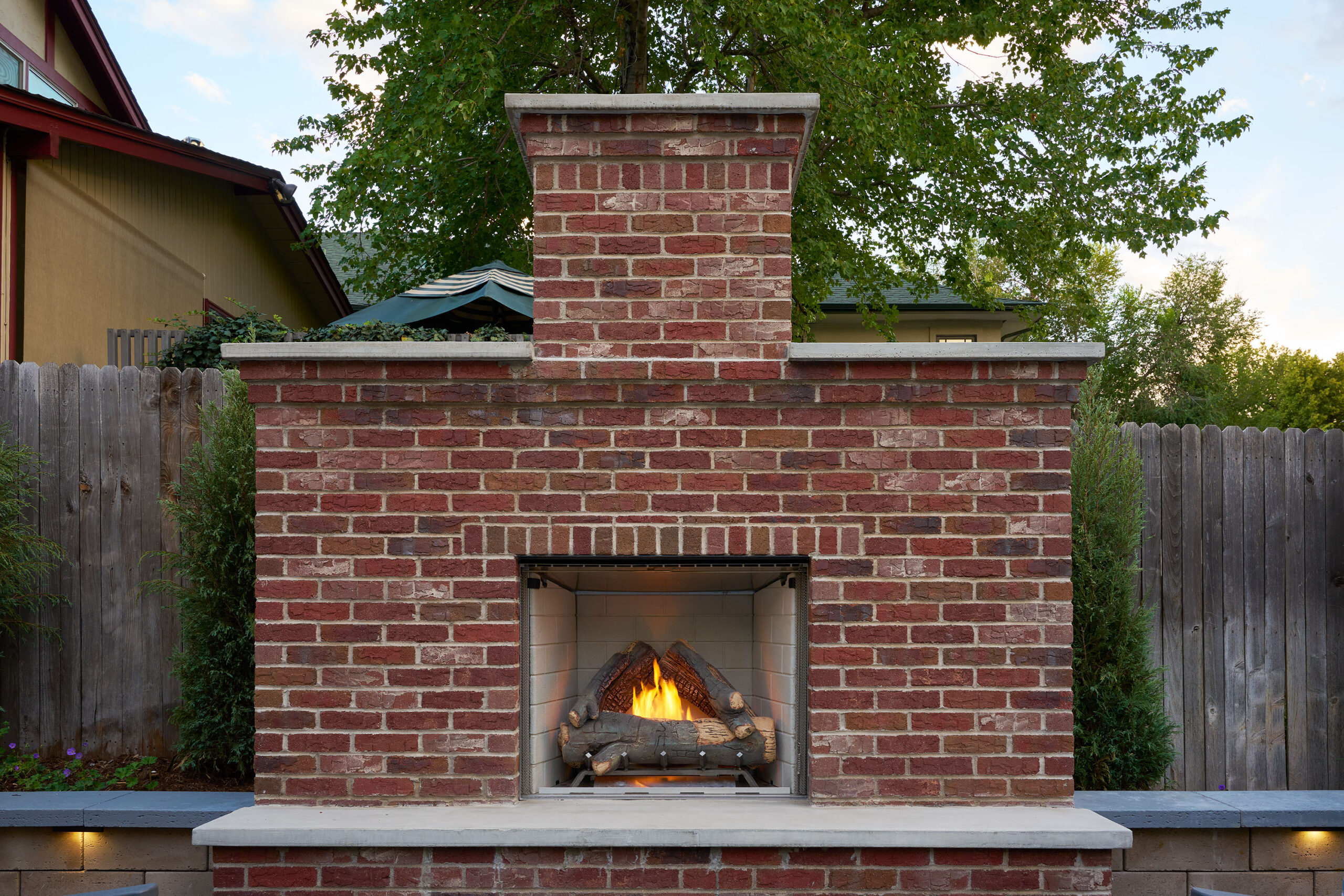
    An outdoor fireplace turns a patio into the place everyone gathers, the anchor a whole backyard organizes around. That is also why a rushed outdoor fireplace installation shows its flaws so fast in Englewood, CO, where altitude, dry air, and a hard freeze-thaw cycle punish anything built without a plan.

    The part that decides whether a fireplace draws well and stands for decades sits where no one looks: the footing under it, the firebox and flue inside it, and the materials chosen for this specific climate. Get those right once and the fireplace becomes a fixture. Get them wrong and the cracks, the smoke problems, and the settling start the first year.

    Down to Earth Landscaping has designed and built outdoor living spaces across the Denver metro since 2012, and a three-time ALCC Award-winning portfolio of fire features and patios is what shapes how the team approaches a fireplace before a single block gets set. That experience reads a property’s grade, wind, and soil first, because those conditions decide how the fireplace gets built.

    The sections below cover what the work actually involves, how to choose between fuel types and placement, and what separates an installer who builds for the long run from one who builds for the photo.

    Related: 6 Ways Landscaping and an Outdoor Fireplace Transform Denver Country Club, CO Properties

    What Does Outdoor Fireplace Installation Actually Involve?

    Outdoor fireplace installation is masonry and structural work, not decoration. The finished stone face is the last and smallest part of the job. Everything that controls safety, draft, and lifespan happens in the foundation, the firebox, and the flue.

    The Foundation Under the Fireplace

    A masonry fireplace weighs thousands of pounds, and that weight needs a footing built to carry it. The work starts with excavation and a poured concrete footing sized to the structure and set below the frost line, so the ground freezing in winter does not heave the fireplace and split it apart. Along the Front Range, frost depth and expansive soils make this step non-negotiable. A fireplace set on a thin slab or on undisturbed clay tilts and cracks within a few seasons.

    Reinforcement matters as much as depth. Rebar ties the footing together so the load spreads evenly instead of concentrating on one weak point. A crew that pours a proper reinforced footing builds a fireplace that stays plumb and square for the life of the patio.

    The Firebox and Flue

    Inside the structure, the firebox and flue do the real work. The firebox holds the heat and gets built from firebrick and refractory mortar rated for the temperatures a fire produces. Standard block and mortar break down under that heat, so the materials here are specific and not interchangeable.

    The flue carries smoke up and away, and its size and height decide whether the fireplace draws cleanly or pushes smoke back toward the seating. A correctly sized flue, built tall enough for the firebox opening, is the difference between an evening around the fire and an evening in the smoke. This is the calculation weekend builds skip most often.

    Gas Lines, Clearances, and Code

    A gas fireplace adds a gas line that a licensed professional runs and pressure-tests. Every fireplace also answers to clearance rules that keep combustible materials, fences, eaves, and low branches a safe distance from the firebox. Arapahoe County and the surrounding municipalities enforce these standards, and a permitted installation protects the homeowner and the property. An installer who works this area builds to those codes from the start rather than discovering them after the fact.

    Drainage and Water Management

    Water is the quiet enemy of outdoor masonry. Rain and snowmelt that collect around the footing or soak into the structure freeze, expand, and crack the fireplace from the inside. A proper build slopes the surrounding patio to move water away, seals the masonry against moisture, and caps the chimney so rain does not fall straight into the flue. In a climate that cycles above and below freezing dozens of times a winter, this water management keeps hairline gaps from turning into structural cracks.

    Integration With the Patio and Yard

    A fireplace rarely stands alone. It ties into the patio surface, the seating, the surrounding grade, and often a full outdoor living layout with a kitchen or lighting nearby. A design-build team coordinates the fireplace with all of it, so the finished structure looks intentional and the drainage, the traffic flow, and the sight lines all work together instead of fighting each other.

    Wood-Burning or Gas: Which Outdoor Fireplace Is Right for Your Yard?

    The choice between wood and gas shapes the cost, the maintenance, and the daily experience of the fireplace. Neither option wins outright. The right answer depends on how a household plans to use the space.

    The Case for Wood-Burning

    A wood-burning fireplace delivers the crackle, the scent, and the radiant heat that many homeowners want from a fire. It needs no gas line, so placement stays flexible. The tradeoffs are real: wood requires storage, the fire takes time to build and tend, and cleanup follows every use.

    Colorado adds one more consideration. The Front Range sees fire restrictions and burn bans during dry stretches, and a wood fireplace goes unused whenever a ban is in effect. A household that entertains through summer weighs that limitation against the appeal of a real wood fire.

    The Case for Gas

    A gas fireplace lights with a switch, produces steady heat, and creates no ash or smoke. It runs during most burn restrictions that shut down wood fires, which extends the usable season in this climate. The upfront cost runs higher because of the gas line and the burner system, and the flame reads more uniform than a wood fire.

    For homeowners who want the fireplace available on a weeknight with no setup, gas earns its cost through convenience and a longer season of use.

    Matching the Fireplace to the Space

    Beyond fuel, the size and style of the fireplace answer to the yard. A tall fireplace anchors a large patio and blocks wind, while an oversized structure overwhelms a compact space and throws too much heat into a small seating area. The material and finish tie the fireplace to the home’s architecture and the rest of the hardscape. A design conversation up front settles these choices before any material gets ordered, which protects the budget and the result.

    Maintenance Over the Years

    Every outdoor fireplace needs upkeep, and the amount depends on the fuel. A wood fireplace needs the firebox cleared of ash and the flue checked for buildup that restricts draft and raises fire risk. A gas fireplace needs the burner and gas connections inspected so it lights reliably and burns clean. Both benefit from an annual look at the masonry for early cracks, because a small repair caught in spring costs far less than a rebuild after the damage spreads. A homeowner who plans for this upkeep keeps the fireplace performing for years.

    How Do You Choose the Right Spot for an Outdoor Fireplace in Colorado?

    Placement decides how often a fireplace gets used and how well it performs. The best spot balances wind, sun, safety, and the way people move through the yard.

    Reading Wind and Prevailing Weather

    Wind drives smoke and steals heat. A fireplace positioned against the prevailing wind pushes smoke into the seating and burns through fuel fast. A team that studies the site places the fireplace so it blocks wind for the gathering area rather than funneling it, and orients the opening toward where people sit. Along the Front Range, afternoon gusts and sudden weather shifts make this reading especially important.

    Sun, Shade, and Season

    Coloradans use their yards year-round, so the sun matters. A fireplace paired with a patio that catches afternoon and evening sun extends the comfortable hours into the shoulder seasons. Pairing the fireplace with a pergola or shade structure balances the hot high-altitude sun during the day against the warmth of the fire at night.

    Safety Clearances and Sight Lines

    Placement also answers to safety. The fireplace needs clearance from the house, fences, trees, and any low structures, and the design routes foot traffic away from the fire rather than through it. Good placement also frames a view, so the fireplace becomes a focal point from the house and the yard rather than an object stuck in a corner. Balancing all of these at once is where an experienced designer earns the fee.

    Distance From the House and Entertaining Flow

    How far the fireplace sits from the house shapes how the space gets used. Set it too far and the walk discourages a quick fire on a cool night. Set it too close and heat and smoke drift toward the doors and windows. The right distance keeps the fireplace an easy few steps from the kitchen or the back door while holding heat and smoke clear of the home. The seating then wraps the fire without blocking the path between the house and the rest of the yard.

    Related: Outdoor Kitchen and Fire Pit Designs for Highlands Ranch & Lone Tree, CO Homes

    What Should You Look for in an Outdoor Fireplace Installation Company?

    Plenty of contractors offer to build a fireplace. Far fewer build one that drafts correctly and survives Colorado winters. The difference shows up in credentials, in the plan on paper, and in the way the company prices and stands behind the work.

    Local Experience and a Real Portfolio

    A company that has built fire features along the Front Range understands the frost depth, the soil, the wind, and the burn regulations that a general contractor overlooks. Ask how long the company has worked in the area and ask to see completed fireplaces nearby. Down to Earth Landscaping has built outdoor living spaces across the Denver metro since 2012 and holds three ALCC awards for its work, which means its crews design for local conditions rather than a generic template.

    A Design-Build Process, Not Just a Crew

    The strongest sign of a serious installer is a design process that plans the fireplace as part of the whole space. A company that produces a design, explains the footing and the flue, and coordinates the fireplace with the patio and drainage treats the project as a system. A crew that jumps straight to stacking block skips the parts that determine whether the fireplace works.

    Licensing, Insurance, and Permits

    Verify licensing and insurance before any work begins, and confirm the company pulls the required permits and runs gas lines through a licensed professional. A properly insured, permitted installation protects the homeowner if anything goes wrong, and a company that handles permitting as routine has done this correctly many times.

    A Clear Estimate and Quality Materials

    A trustworthy estimate breaks out excavation, the footing, the firebox materials, the flue, the gas work, and the finish as separate lines, so a homeowner sees where the money goes and where a cheaper bid cuts a structural corner. Ask about the materials too. Firebrick, refractory mortar, and quality segmental units or natural stone resist the freeze-thaw wear that degrades bargain materials. The company that specifies the right materials builds a fireplace that looks the same in year ten as it did on day one.

    References and a Written Warranty

    A company with a track record shows it. Ask for photos of fireplaces the crew has built nearby, and ask to speak with past clients about how the structure held up after a winter or two. The most useful reference is a fireplace that has drawn clean and stayed crack-free through several freeze-thaw cycles. Confirm the warranty as well, and check what it covers and for how long. A company that guarantees the structure in writing has confidence in the work under the finish.

    What Does the Outdoor Fireplace Installation Process Look Like?

    A professional outdoor fireplace project follows a clear sequence, and knowing it prepares a homeowner for the work and shows where quality gets built in. At Down to Earth Landscaping, the fireplace runs through a full design-build process rather than a standalone task dropped onto a patio.

    Consultation and Design

    The process opens with a consultation and a study of the property. The team reads the grade, the soil, the wind, and the way the household wants to use the space, then translates that into a design that sets the fireplace in context with the patio and the rest of the yard. Seeing the design before construction lets a homeowner adjust the size, placement, and materials while changes cost nothing.

    Excavation, Footing, and Build

    From there the project moves through a consistent set of steps:

    • A consultation, site assessment, and design tailored to the property
    • Permitting and gas-line planning for the fireplaces that require them
    • Excavation and a poured, reinforced footing set below the frost line
    • Construction of the firebox from firebrick and refractory materials
    • A correctly sized and vented flue built to draw cleanly
    • Gas-line installation and pressure testing by a licensed professional
    • The stone or masonry finish tied to the home and the hardscape
    • Integration with the patio, seating, lighting, and drainage
    • A final walkthrough and instruction on operating the fireplace

    Each step depends on the one before it, which is why an experienced crew and a coordinated process produce a stronger result than a rushed build. The care taken during the footing and the firebox determines whether the visible fireplace performs for decades.

    Timeline and Site Care

    Timeline depends on the size and complexity of the fireplace and whether gas and permitting are involved. A straightforward wood fireplace wraps up faster than a large gas structure integrated into a full outdoor living build. A professional gives a realistic schedule up front, protects the site during the work, and restores the surrounding yard once the fireplace is complete.

    Anchor Your Backyard With an Outdoor Fireplace From Down to Earth Landscaping

    An outdoor fireplace is a long-term investment in how a family uses its yard, and the installer decides whether that investment lasts. The right partner builds the footing, the firebox, and the flue to a standard the finished stone never reveals, so the fireplace draws clean and holds its ground through every Colorado season.

    Homeowners across Englewood and the Denver metro trust Down to Earth Landscaping to design and build outdoor fireplaces that pair a refined look with the structure to back it up. As a three-time ALCC Award winner building outdoor living spaces since 2012, the team treats the fireplace as the anchor of a larger space and coordinates it with the patio, the lighting, and the yard around it.

    Schedule an outdoor fireplace installation consultation with Down to Earth Landscaping today, and work with a team that builds fireplaces designed to last in Englewood, CO.
    Related: Outdoor Lighting and Fire Pit Setups for Backyard Movie Nights in Cherry Hills Village and Centennial, CO


  • Why Your Englewood, CO, Backyard May Still Feel Incomplete Without Water Features

    Why Your Englewood, CO, Backyard May Still Feel Incomplete Without Water Features

    In Englewood, CO, a backyard can have a beautiful patio, polished hardscaping, and thoughtful plantings—and still feel like it’s missing that final spark. Often, that missing piece is water features. They bring movement, sound, reflection, and a sense of calm that makes an outdoor living space feel finished, luxurious, and alive. For homeowners investing in a high-end backyard, water may be the element that turns “nice” into unforgettable.

    Related: Cool, Compact, and Elegant: Plunge Pool Options in Columbine Valley, CO

    How Do Water Features Impact The Landscape?

    A well-designed backyard is not just a collection of outdoor upgrades. It is a complete environment. Every element should work together: the patio, the seating walls, the fire feature, the pergola, the outdoor kitchen, the lighting, the plantings, the turf, and yes—the water.

    Water features add something that stone, steel, concrete, and wood cannot create on their own: motion.

    That motion changes the personality of the entire space. A paver patio becomes more inviting. A seating area feels softer. A modern outdoor kitchen feels less like a built structure and more like part of a private resort. The backyard starts to breathe.

    In Englewood, where many homes sit in established neighborhoods with a blend of mature trees, sun exposure, compact lot lines, and mountain-influenced weather patterns, water can bring balance to a space that might otherwise feel too hard, too dry, or too static.

    Water Adds Movement To Structured Outdoor Spaces

    High-end outdoor living spaces often rely on strong architectural lines. Paver patios, retaining walls, steps, built-in seating, and outdoor kitchens all need structure. That structure is what makes a backyard functional.

    But too much structure without movement can feel flat.

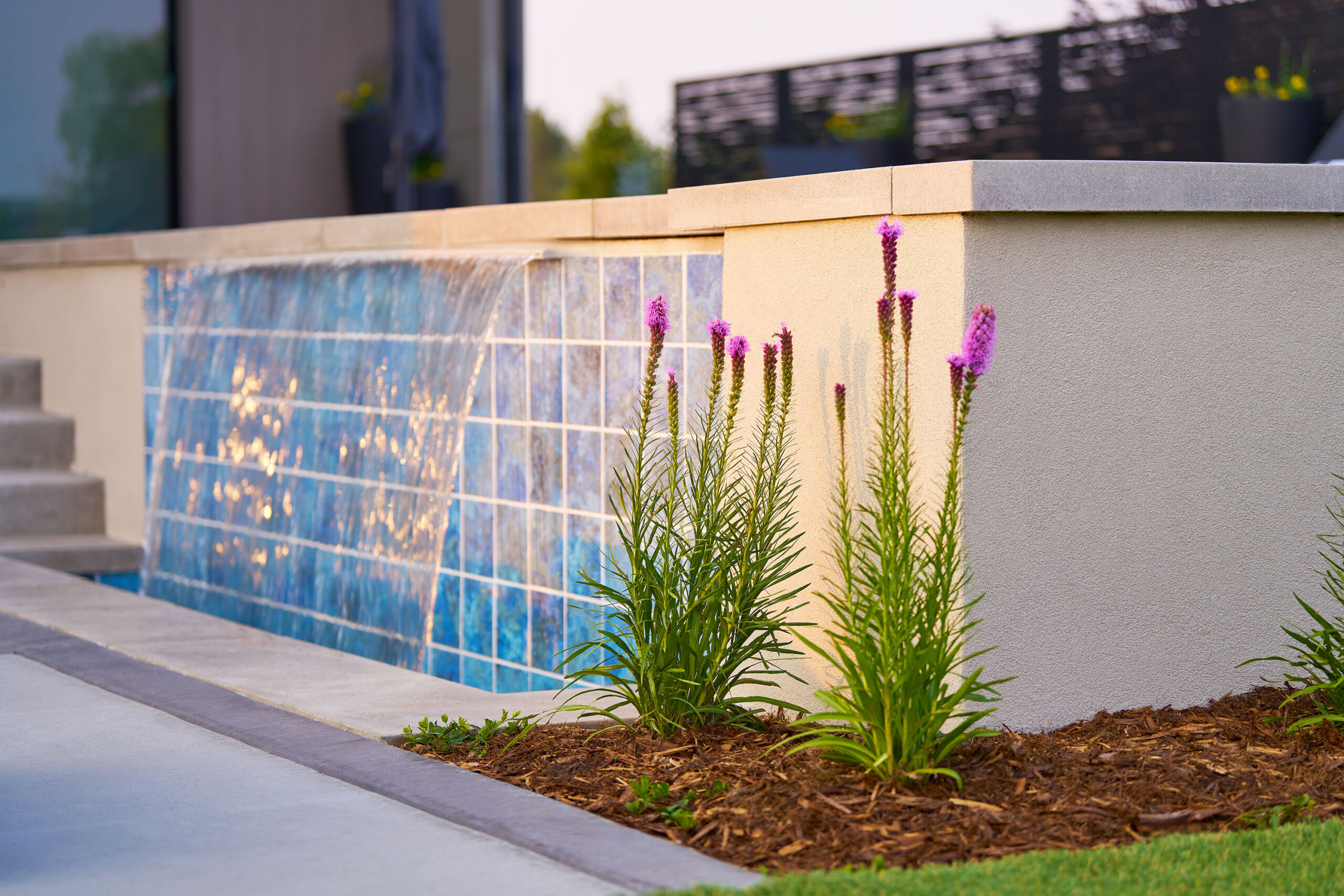
    A water feature breaks that up beautifully. The flow, ripple, or cascade creates a visual rhythm. It gives the eye somewhere to land and something to follow. Whether the design is clean and modern or more natural and organic, water adds a layer of sophistication that makes the whole landscape feel more intentional.

    Water Softens Hardscaping

    Hardscaping is one of our core focuses because it defines how a backyard is used. Patios, walkways, seating walls, and fire features create the bones of an outdoor living space.

    Water softens those bones.

    It brings contrast to stone. It cools the visual temperature of concrete pavers. It makes a structured patio feel less rigid and more relaxing. That balance matters, especially in Colorado, where outdoor spaces often need durable materials that can handle intense sun, snow, freeze-thaw cycles, and everyday use.

    A water feature helps the space feel refined instead of overbuilt.

    Water Creates Atmosphere

    This is where water really shows off.

    The sound of moving water can completely shift the mood of a backyard. It helps soften neighborhood noise, traffic, conversations from nearby properties, and the general background hum of daily life.

    That matters in Englewood. Many properties are close to Denver’s energy while still offering a residential, neighborhood feel. A water feature gives homeowners a way to create a more private, peaceful atmosphere without making the yard feel boxed in.

    It is not just something to look at. It is something you feel.

    What Are The Benefits Of Water Features In Landscaping?

    Water features are more than a pretty finishing touch. When designed correctly, they improve the way a backyard looks, sounds, feels, and functions.

    For affluent homeowners investing in a luxury outdoor living space, every detail should earn its place. A water feature does exactly that.

    They Make The Backyard Feel Complete

    Some backyards have all the “right” elements and still feel like they are missing something.

    The patio is beautiful.
    The outdoor kitchen is impressive.
    The fire feature is ready for fall evenings.
    The pergola adds shade and style.

    But the space still lacks that final sensory layer.

    Water adds the finishing note. It brings life to the design. It makes the backyard feel less like a project and more like a place. That distinction is huge.

    A complete backyard should invite people to linger. It should make morning coffee feel better. It should make dinner outside feel like an event. It should make a quiet evening feel like a reset button.

    Water helps create that.

    They Create A Luxury Resort Feel At Home

    There is a reason luxury hotels, spas, private clubs, and high-end residences use water so often. Water instantly signals calm, care, and elevated design.

    In a custom backyard, that same effect can be created in a way that feels personal and appropriate to the home. The goal is not to copy a resort. The goal is to make your own outdoor living space feel considered, polished, and deeply enjoyable.

    When paired with paver patios, fire features, outdoor kitchens, and landscape lighting, a water feature can create a backyard that feels like a private escape—without leaving Englewood.

    They Improve The Soundscape

    A backyard should not just look good in photos. It should feel good when you are actually living in it.

    Sound plays a major role in that experience.

    A thoughtfully placed water feature can help reduce the impact of nearby traffic, dogs barking, neighboring conversations, or general urban noise. It does not erase the world, but it does give your ear something more pleasant to focus on.

    That gentle background sound creates privacy without needing to shout “privacy.” It is subtle, elegant, and incredibly effective.

    They Pair Beautifully With Fire Features

    Fire and water are a power couple in outdoor design.

    Fire brings warmth, energy, and gathering. Water brings calm, movement, and reflection. Together, they create contrast that feels dramatic without being overdone.

    For Colorado outdoor living, this pairing is especially compelling. Cool evenings are part of the lifestyle here, and fire features are a natural fit. Add water nearby, and the space gains an entirely different level of depth.

    It becomes a place for entertaining, relaxing, hosting, and unwinding.

    They Add Visual Interest Year-Round

    Englewood experiences four distinct seasons. Spring can be unpredictable. Summer brings sun and heat. Fall is crisp and beautiful. Winter can shift from mild to snowy in a matter of hours.

    Because of that, landscape design needs to look good even when plants are not at their peak.

    Water features help provide visual interest beyond flowers and greenery. Even when the planting palette is quieter, the structure and presence of a water feature continue to support the design.

    With the right planning, surrounding hardscapes, lighting, and architectural elements keep the backyard feeling polished through every season.

    What Is The Easiest Water Feature To Maintain?

    The easiest water feature to maintain is usually one that is professionally designed as a recirculating system, properly sized for the space, placed thoughtfully, and built with durable materials suited to Colorado conditions.

    Translation: the easiest water feature is the one that was designed correctly from the beginning.

    Luxury should not feel fussy. A high-end backyard should feel effortless, even though a tremendous amount of planning and craftsmanship goes into making it that way.

    Recirculating Water Features Are Often A Smart Choice

    A recirculating water feature reuses water within the system, making it efficient and practical for Colorado’s semi-arid climate. This can be a great fit for homeowners who want the beauty and sound of water without unnecessary waste.

    These systems can be designed in a range of styles, from clean and contemporary to more natural and organic, depending on the overall design of the backyard.

    The key is making sure the system is integrated into the landscape properly, with attention to:

    • Water movement
    • Basin design
    • Pump access
    • Filtration
    • Drainage
    • Winterization needs
    • Surrounding plant material
    • Long-term serviceability

    When those details are handled well, the feature becomes much easier to enjoy.

    Smaller, Contained Features Can Be Easier To Manage

    Not every water feature needs to be massive to make an impact.

    In fact, some of the most elegant water features are compact, architectural, and highly intentional. A smaller feature near a patio, seating area, or entry point can create a strong design moment without overwhelming the yard.

    For many Englewood homes, this can be a smart approach. Lot sizes, existing grades, mature trees, and access points all influence what makes sense. A contained feature can deliver sound, movement, and luxury while keeping the design clean and manageable.

    Placement Affects Maintenance

    Maintenance is not only about the type of water feature. It is also about where it goes.

    A feature placed directly under trees may collect more leaves and debris. A feature exposed to strong sun all day may experience more evaporation. A feature placed in a windy corridor may need extra design consideration to keep water where it belongs.

    That is why placement is part of the design conversation from the start.

    At Down to Earth Landscaping, we think through how the space will actually live—not just how it will look on reveal day.

    Colorado Weather Must Be Part Of The Plan

    Englewood’s climate can be tough on outdoor materials and systems. Freeze-thaw cycles, snow, ice, intense UV exposure, and rapid temperature swings all matter.

    A water feature in Colorado needs to be designed with winter in mind. Materials should be selected for durability. Construction should account for drainage and movement. The system should be designed so it can be properly shut down or protected during freezing conditions.

    This is where expert design-build work matters. The pretty part is only one part of the equation. The hidden construction details are what protect the investment.

    Related: How Landscaping & Landscape Design in Castle Rock, CO Create Inviting Backyards

    Where Is The Best Place To Put A Water Feature?

    The best place to put a water feature is where it can be seen, heard, and enjoyed naturally within the flow of the outdoor living space.

    It should not feel random. It should not feel like an accessory that got dropped into the yard after everything else was already decided.

    A water feature should feel inevitable—like the backyard was always meant to have it.

    Near A Patio Or Outdoor Living Area

    One of the strongest placements is near the primary gathering space.

    If the patio is where you have coffee, host friends, enjoy dinner, or sit by the fire, then placing water nearby allows you to experience it often. You hear it while relaxing. You see it while entertaining. It becomes part of everyday life.

    This is especially powerful when the water feature is integrated with:

    • Paver patios
    • Seating walls
    • Fire features
    • Outdoor kitchens
    • Pergolas
    • Landscape lighting

    When these elements work together, the backyard feels cohesive instead of pieced together.

    Where It Can Be Seen From Inside The Home

    A great backyard should improve the view from inside, too.

    In many Englewood homes, the kitchen, dining room, or living room looks out toward the backyard. Placing a water feature where it can be seen from these interior spaces extends the experience of the landscape even when you are indoors.

    This is a major luxury design move.

    It means the backyard is not only useful when you are outside. It becomes part of the home’s daily atmosphere.

    As A Focal Point

    A water feature can act as the visual anchor of the yard.

    This works especially well when the backyard needs a central design moment—something that organizes the space and gives the layout purpose. A focal-point water feature can help define zones, guide movement, and make the entire design feel more elevated.

    The feature might sit at the end of a sightline, near a seating area, beside a patio, or within a garden bed framed by hardscape.

    The exact placement depends on the property, but the principle is the same: give the eye a destination.

    Along A Transition Or Walkway

    Water can also be used to create a sense of arrival.

    Placed along a walkway, near steps, or between outdoor zones, a water feature can make the movement through the yard feel more intentional. Instead of simply walking from the house to the patio, the homeowner experiences a sequence.

    That sequence matters in high-end landscape design.

    Luxury is often in the pacing. The reveal. The turn. The moment you hear the water before you fully see it.

    That is what makes a backyard memorable.

    Away From Problem Areas

    Just as important as knowing where to place water is knowing where not to place it.

    The best location should account for:

    • Heavy leaf drop
    • Drainage patterns
    • Snow storage areas
    • Wind exposure
    • Access for service
    • Sun intensity
    • Relationship to seating areas
    • Visibility from key viewpoints

    A water feature should enhance the property, not create future frustration. Professional planning helps make sure it is beautiful, practical, and built for the way the space will actually be used.

    Are Backyard Water Features Worth It?

    Yes—when they are professionally designed, thoughtfully placed, and built into a cohesive outdoor living plan, backyard water features are absolutely worth it.

    For homeowners investing in a luxury landscape, a water feature is not just an add-on. It is often the element that makes the space feel truly finished.

    They Elevate The Entire Outdoor Living Experience

    A backyard should do more than check boxes. A patio, fire feature, outdoor kitchen, and pergola all bring value—but the magic happens when the space feels emotionally complete.

    Water adds that final layer.

    It makes the backyard feel calmer, richer, and more immersive. It encourages people to slow down, settle in, and actually experience the space. Instead of feeling like a collection of features, the backyard starts to feel like a true outdoor destination.

    That is the point of great design.

    They Support A High-End Property Standard

    In desirable Denver-metro areas like Englewood, Littleton, Cherry Hills Village, Greenwood Village, and Lakewood, homeowners are not just improving their yards. They are investing in outdoor living environments that match the quality of their homes. A water feature helps the backyard meet that level.

    It shows intention. It shows craftsmanship. It shows that the space was designed as a complete experience—not assembled one piece at a time without a plan.

    They Make The Backyard More Enjoyable

    A water feature earns its keep every time the homeowner steps outside and feels the space shift.

    It can make morning coffee feel quieter, dinner outside feel more atmospheric, an evening by the fire feel more layered, and a summer night feel cooler and more relaxed. That daily enjoyment is a major part of the value.

    A backyard is not only about resale. It is about how people live now. For homeowners who care about outdoor living, entertaining, and making the most of the Colorado lifestyle, water features can be one of the most rewarding design choices.

    They Help The Space Feel Custom

    A thoughtfully designed water feature makes a backyard feel tailored to the home and the homeowner.

    It is not generic. It is not pulled from a catalog and dropped into place. It is designed around the architecture, the grade, the patio layout, the views, the materials, and the way the homeowner wants to use the space.

    That custom feeling is what separates a basic backyard upgrade from a luxury outdoor living environment.

    Related: Is Your Backyard Missing a Patio? Ideas for Homes in the Englewood, CO, Area