
Refine Your Outdoor Space with Custom Walkways
Walkways That Guide the Way You Live Outdoors
Walkways play a quiet but powerful role in how your outdoor space feels. They create welcome, establish flow, and make moving through your yard feel effortless. A thoughtfully designed walkway adds both beauty and comfort, turning everyday paths into intentional features of your landscape.
How do you want people to move through your space? From the front entry to the backyard, walkways connect key areas while shaping the experience along the way. They make daily routines smoother, help guests feel at ease, and bring visual balance to the entire property.
Our team designs walkways that feel natural, refined, and built to last. Each path is carefully planned to complement your home and surrounding landscape, then constructed with quality materials and precise craftsmanship. The result is a walkway that feels solid underfoot, looks cohesive from every angle, and supports the way you use your outdoor space.
With DTE Landscaping, your walkways become more than a route from point A to point B. They become part of the experience.
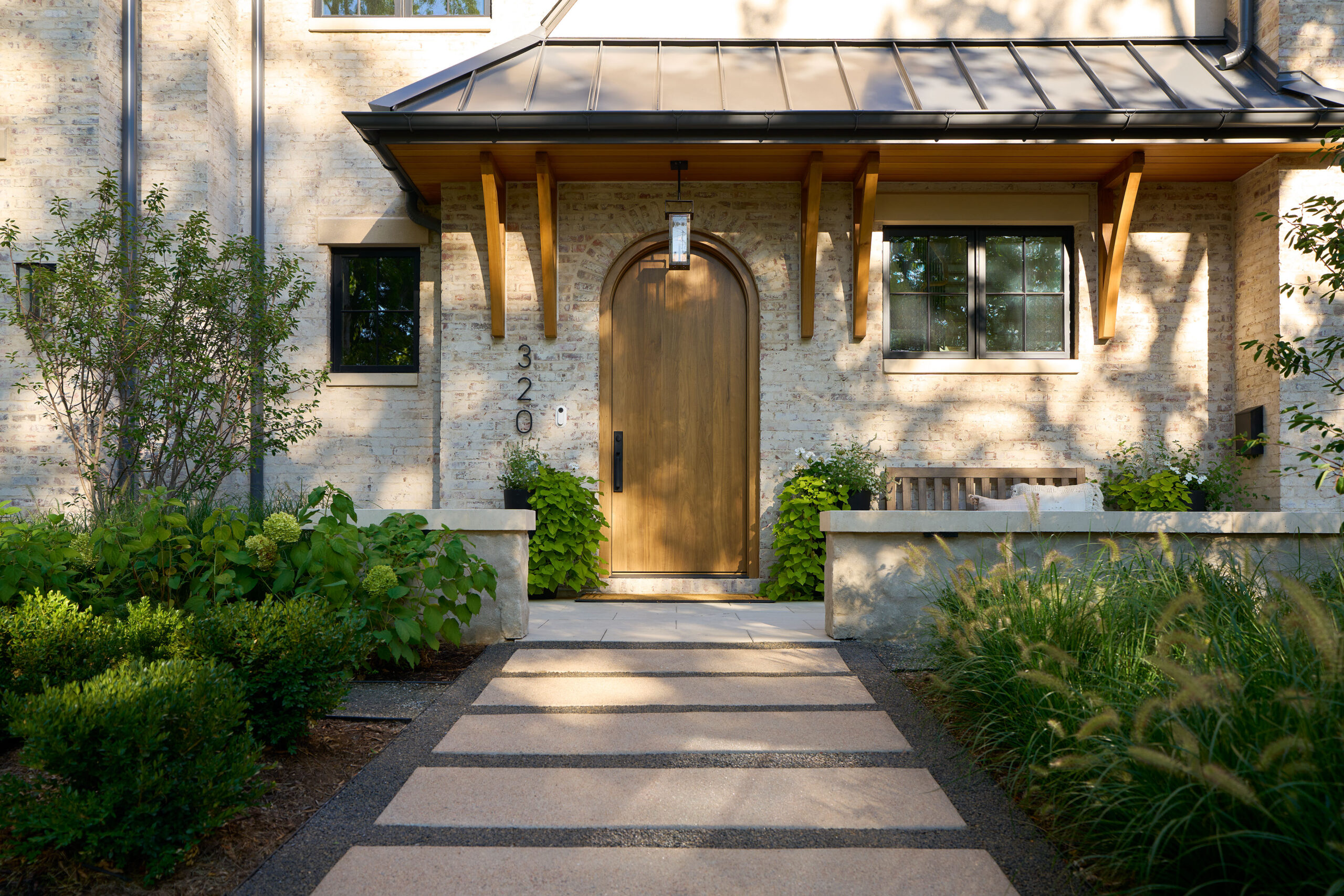
Shaped by Craft, Pattern, and Material
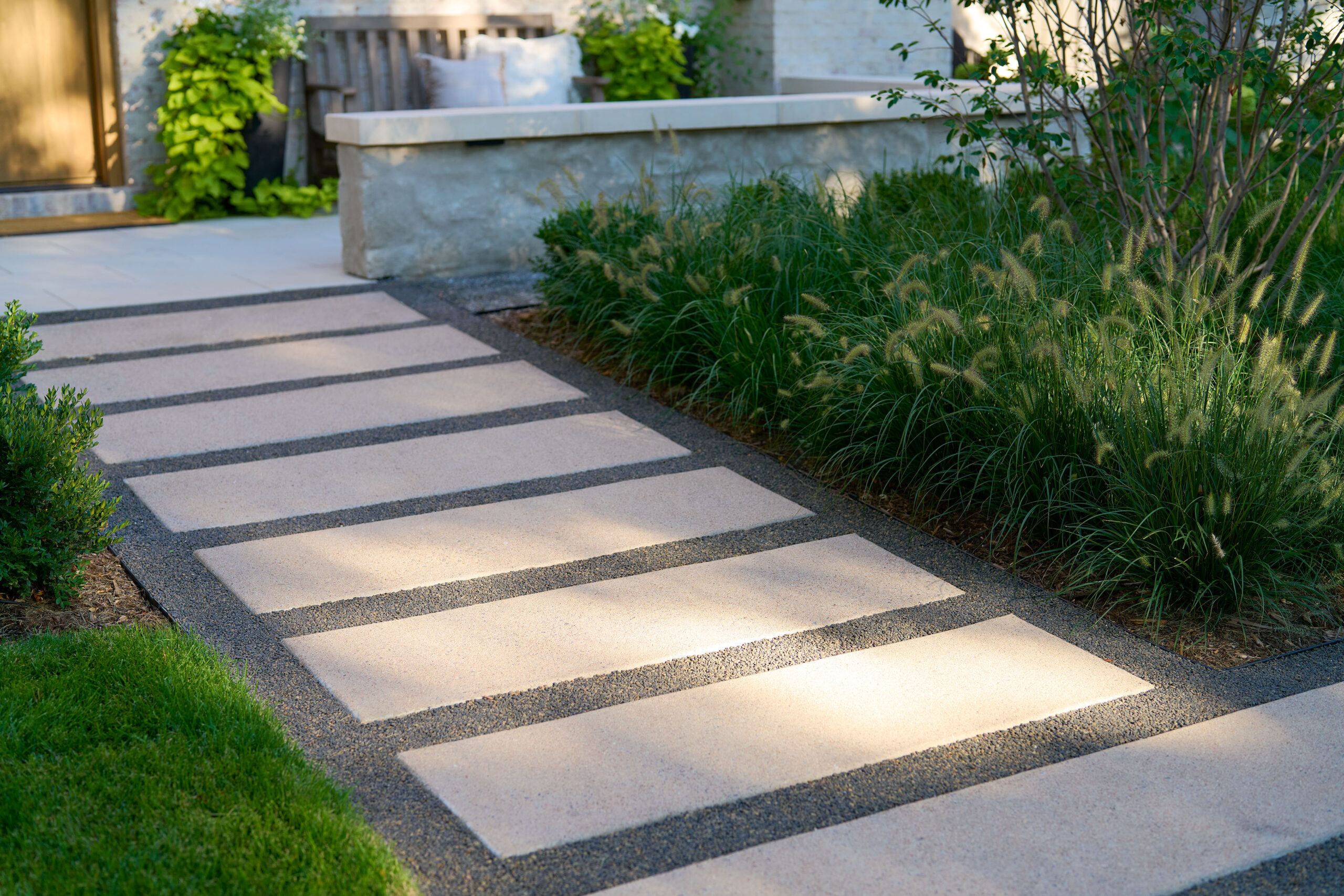
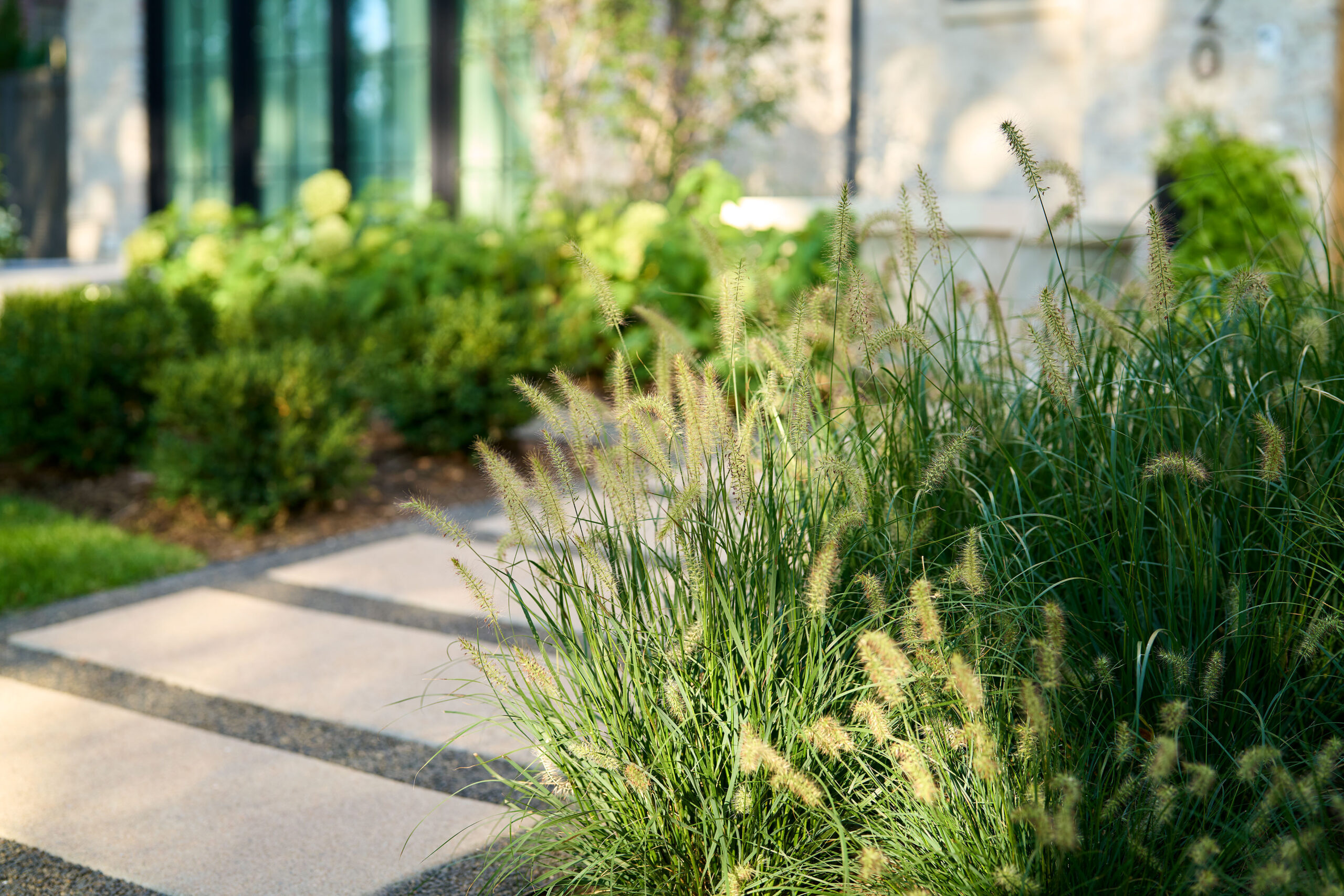
Beyond function, a well-designed walkway is an opportunity for expression. The choice of material, the scale of the stone or paver, and the rhythm of the pattern all contribute to how the landscape reads as a whole. When these elements are considered together, a walkway feels composed rather than constructed.
We approach walkway design with an eye for balance and restraint. Materials are selected for their texture, tone, and relationship to the surrounding landscape, while patterns are laid out to feel deliberate and timeless. Subtle variation adds interest, while consistency brings a sense of calm and cohesion.
Every walkway is built with attention to detail and respect for the materials themselves. Edges are clean, transitions are thoughtful, and finishes are handled with care. The result is a surface that feels intentional underfoot and visually grounded within the landscape, aging gracefully over time.
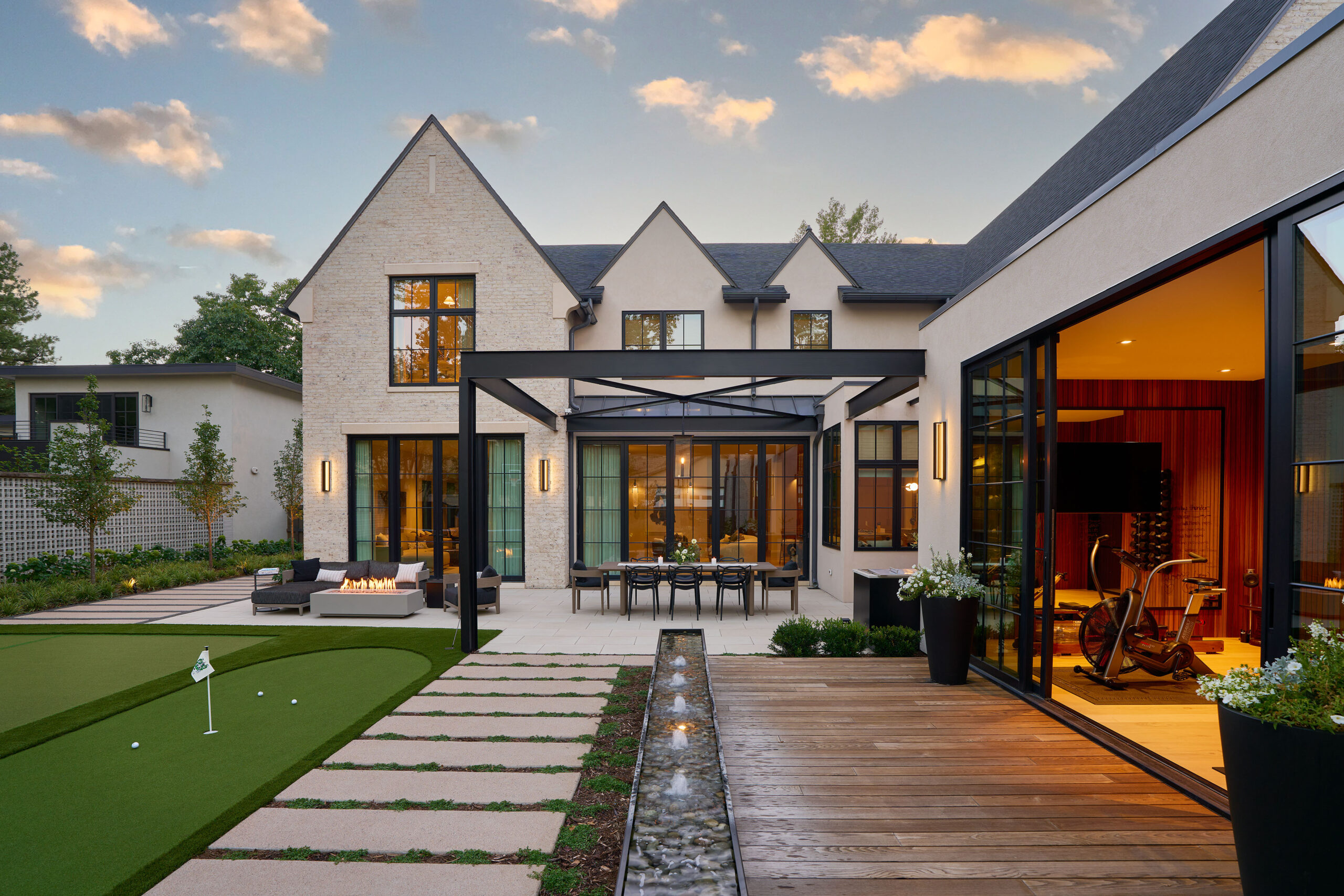
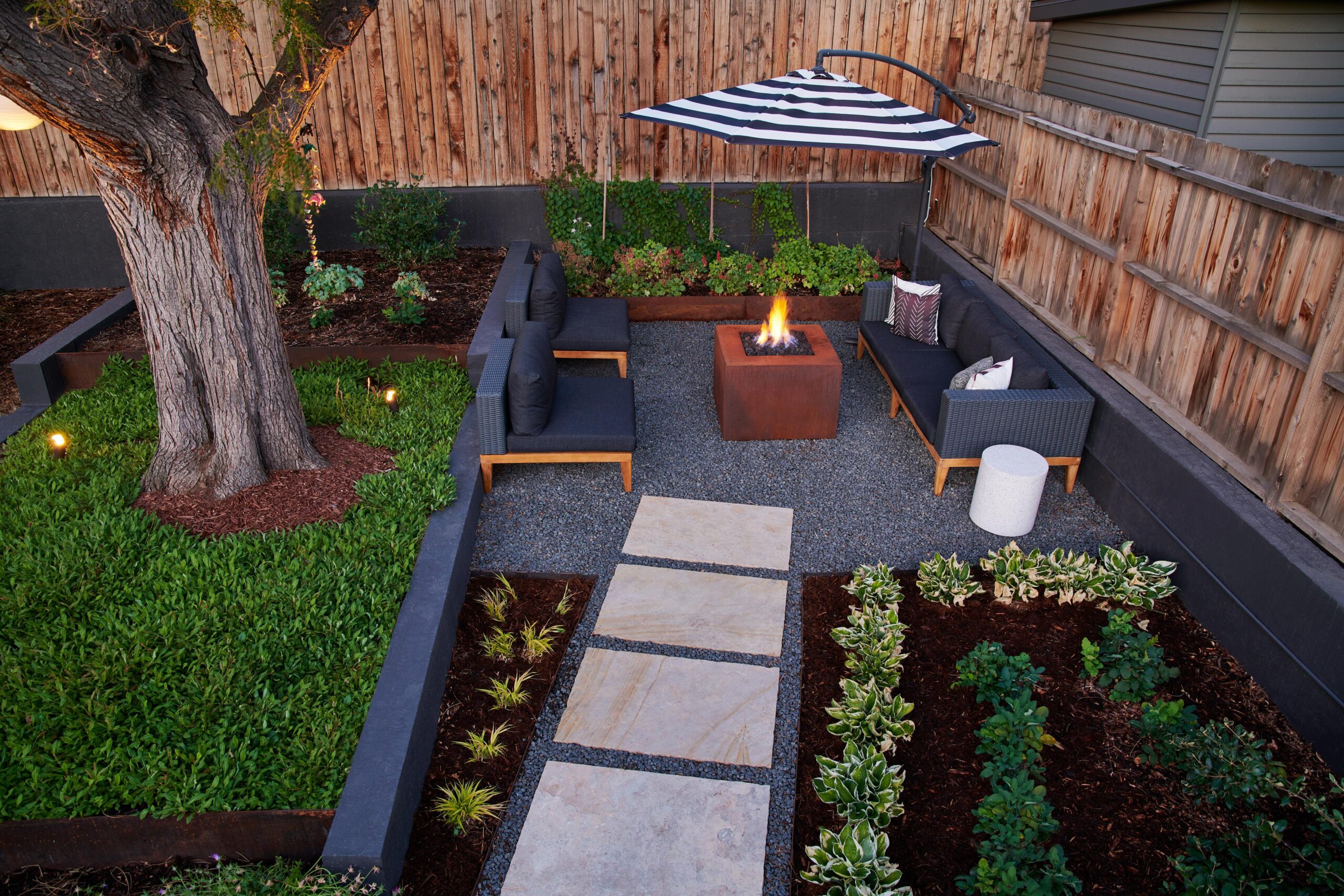
Walkways Gallery
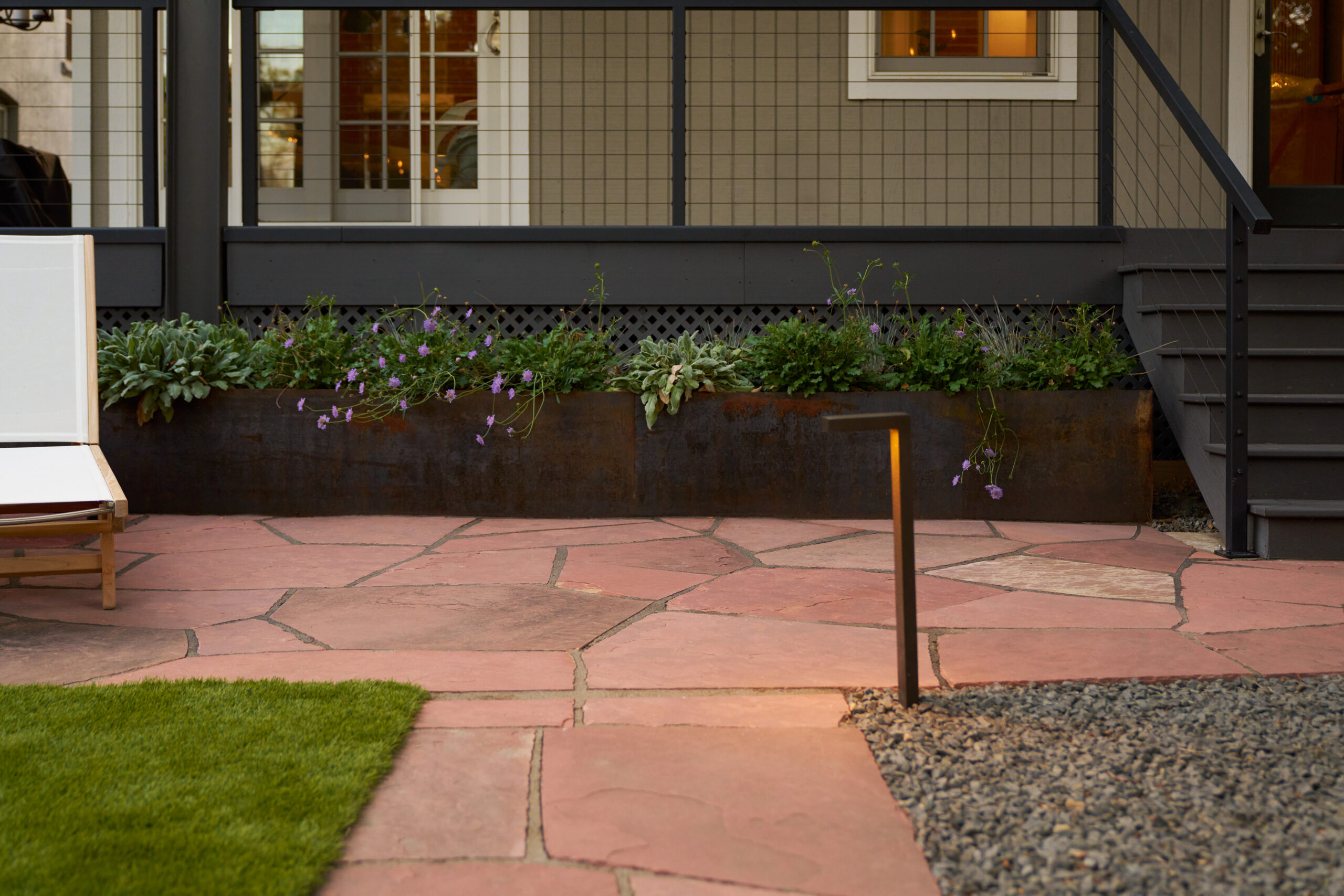
More Than Just Walkways
Walkways are often the starting point, but they are rarely the only element that shapes an outdoor space. A thoughtfully designed path can be paired with surrounding patios, planting beds, and gathering areas to create a cohesive landscape that feels intentional from every angle. These surfaces work together to frame views, define zones, and support how the space is used day to day.
Walkways also set the tone for nearby features, leading naturally to places where people gather, linger, and spend time outdoors. They can guide movement toward seating areas, fire features, or outdoor kitchens, creating continuity throughout the landscape. When materials and patterns are carried across spaces, the entire yard feels composed rather than pieced together. Elements like pergolas or garden structures can further anchor these spaces, adding depth, scale, and visual interest.
Our landscape design and build team looks beyond individual features to design outdoor environments that feel complete. Walkways are integrated as part of a larger vision, ensuring every element works together in form, material, and placement. The result is an outdoor space that feels cohesive, refined, and thoughtfully designed to complement your home.
If you’re ready to explore how custom walkways can fit into a larger landscape plan, we’re here to help you get started.
Client Testimonials

“My husband and I had never before done any remodeling outdoors. Our home has a small, Denver yard yet we wanted room for our family of 4, with dining, fire pit space, and grass space for kids and dogs to play. We had a lot on our wish list. DTE delivered the most beautiful result essentially doubling our home square footage now that we are able to use the outdoor space! They had great suggestions for materials, pivoted when we made changes, were exceptionally professional and have continued to be a resource for us since our project wrapped up 2 years ago! We value their opinion on so much because we know we are getting the opinion of a team of folks who genuinely care about the quality of work they deliver. DTE is truly a one-of-a-kind team.”
– Nancy W.
“We completely redid our landscape, including new gravel and flagstone paths, paver patios, raised garden beds, a fire pit area, moss rock boulders, landscape lighting, hammock posts, a fountain, lots of plants, a couple orchard areas with fruit trees, irrigation, and seeded areas. We were very pleased with Chuck’s communication with us, and the team the did the install (Colin, Colin, Ty, and Nicole, primarily) we’re great. Colin and I had regular check-ins to make sure we were in the same page and everything was according to the design and our wishes. DTE was responsive when we needed to make changes or troubleshoot things on the fly. We are very pleased with the final product and would work with DTE on future projects. Our dog and 1 year old daughter really enjoyed having everyone around and became good friends worth the crew. I recommend working with DTE.”
– Casey F.
“DTE took our barren back yard and turned it into our very own urban backyard retreat. Chuck truly listened to us when we shared our vision and developed a design that is a perfect fit for how we wanted to utilize our backyard space. Chuck, Jeff, Colin and the rest of the crew were 100% professional and responsive to all of our wishes and requests for the project as it moved along and we could not have been happier with the experience. We have enthusiastically recommended this terrific team to friends and neighbors!”
– Tammy C.
Frequently Asked Question
What materials work best for walkways in Colorado?
Pavers, flagstone, and natural stone all perform well for Colorado walkways when installed over a properly compacted base that handles freeze-thaw movement. Pavers deliver the most consistent surface and the easiest repairs, flagstone suits landscapes with a natural character, and poured surfaces are generally avoided where heave is a concern. Base preparation matters more than the surface material, because a walkway that shifts is almost always a base failure rather than a material failure. Down to Earth Landscaping matches walkway materials to the adjacent patio so the surfaces read as one design.
What is the difference between a paver patio and a flagstone patio?
Pavers are manufactured units with consistent dimensions, while flagstone is quarried natural stone with irregular shapes and thicknesses. Pavers install faster, hold tighter joint lines, and are easier to lift and reset if a section ever settles. Flagstone delivers a softer, more organic look that suits properties where the landscape reads as natural rather than architectural, and Down to Earth Landscaping installs both across the Denver metro. The right choice depends on the architecture of the home, how the patio connects to surrounding walkways, and the level of formality you want in the finished space.
How wide should a walkway be?
Primary walkways leading to a front door work best at four to five feet wide so two people walk side by side comfortably, while secondary garden paths function fine at two to three feet. Width affects how the walkway reads visually as much as how it functions, and an undersized front walk makes a house look smaller than it is. Curve, landing space at doors, and how the path connects to steps get planned during design rather than field-adjusted. Lighting along the route is designed at the same time so conduit gets trenched before the base goes in.