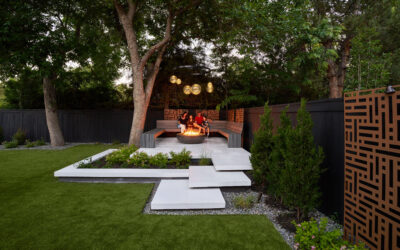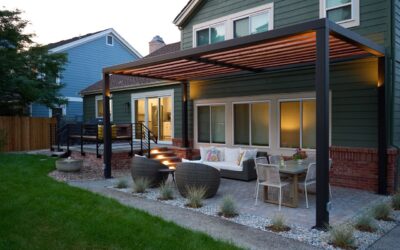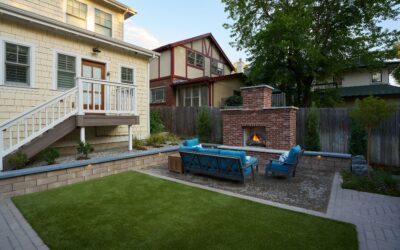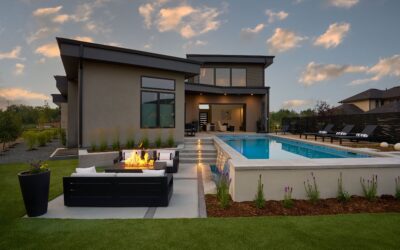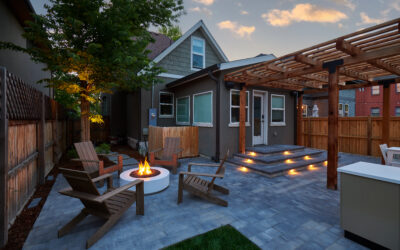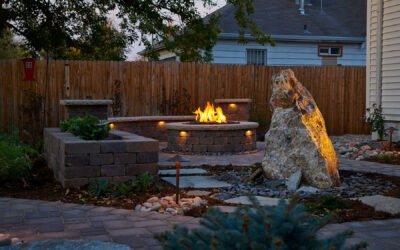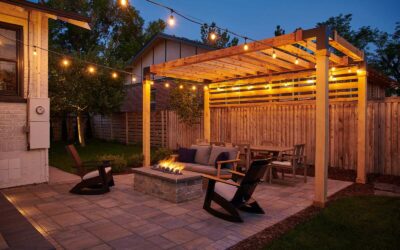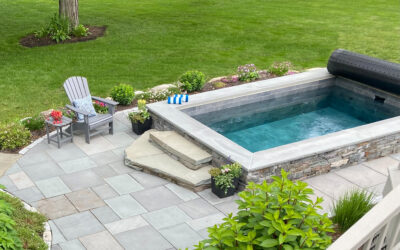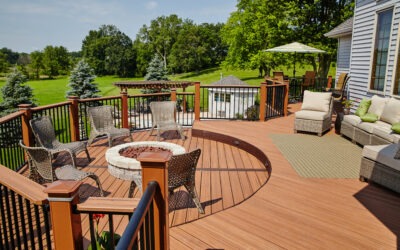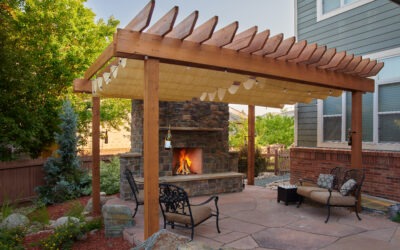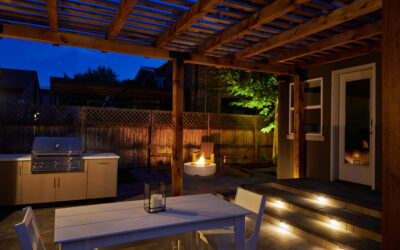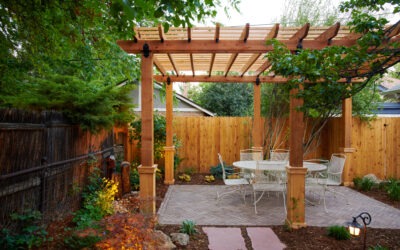
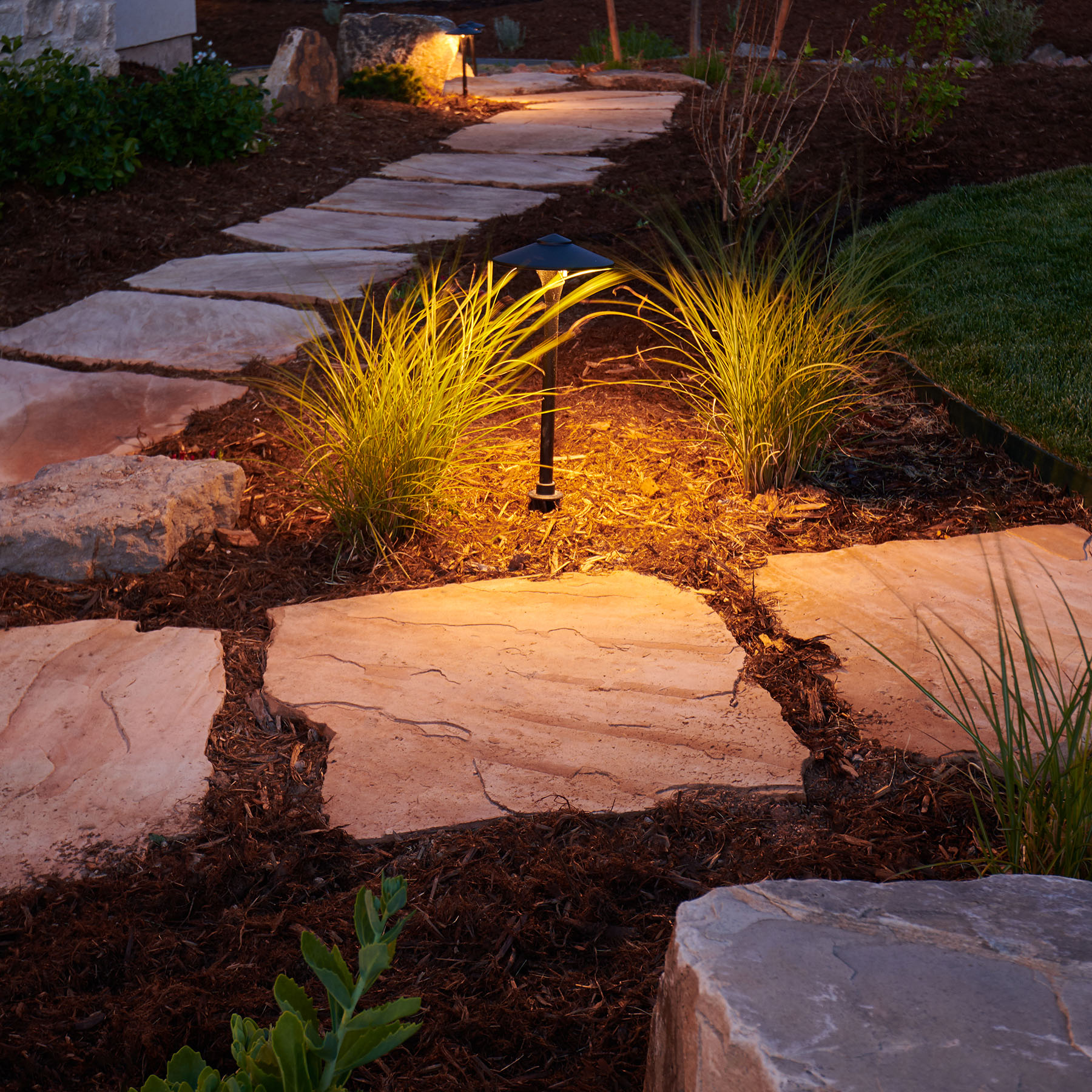
A truly memorable walkway in Englewood and Littleton, CO, never feels like an afterthought. It feels considered, confident, and quietly impressive—the kind of arrival that sets the tone before guests ever reach the front door. At Down to Earth, we design and build walkways that respond to Colorado’s climate, complement the architecture of the home, and guide movement with purpose. The details matter, and when they’re right, the entire property feels elevated.
Related: How a Patio & Patio Cover Installation in Cherry Creek, CO, Enhances Everyday Living
Why “Intentional” Matters More Than “Nice”
An intentional walkway does more than connect point A to point B. It controls flow, frames the home, and creates a sense of anticipation. In Englewood and Littleton, where properties often balance established neighborhoods with foothill influences, a walkway needs to feel grounded, timeless, and appropriate for the setting.
Colorado’s freeze-thaw cycles, high sun exposure, and occasional heavy snow mean shortcuts don’t last. Proportions, materials, base preparation, drainage, and finishing details must all work together. That’s where professional landscape design and construction makes the difference—not just in how a walkway looks today, but in how it performs for decades.
How Do You Design a Walkway?
Designing a walkway starts long before materials are selected. At Down to Earth, we approach each project with a layered design process that balances form, function, and longevity.
Understanding How the Space Is Used
Every property has its own rhythm. Some walkways are formal and direct, others slow the pace and invite exploration. We study how residents and guests approach the home, where sightlines naturally fall, and how the walkway interacts with the driveway, porch, and surrounding landscape.
Aligning With the Architecture
A walkway should feel like it belongs to the home, not like it was added later. Clean-lined architecture often pairs best with linear patterns and consistent edges. More traditional homes benefit from subtle curves, textured surfaces, and layered transitions. We design walkways to reinforce architectural style, not compete with it.
Responding to Colorado’s Climate
In Englewood and Littleton, temperature swings and snow management are non-negotiables. Our designs account for proper slope, drainage, and material selection that resists shifting and cracking. This is especially important in shaded areas where ice can linger.
Creating a Sense of Progression
Intentional walkways create moments along the way—slight changes in width, gentle curves, or visual anchors like steps or landings. These details guide movement naturally and make the journey to the front door feel curated rather than rushed.
What Is the Average Width of a Walkway to a House?
Width is one of the most overlooked design details, yet it has a major impact on how a walkway feels.
Comfortable, Not Cramped
For residential properties, we typically design front walkways wider than the bare minimum. While narrower paths may technically function, they often feel tight and underwhelming—especially on larger homes common throughout Littleton and Englewood.
A well-proportioned walkway:
- Allows two people to walk side by side comfortably
- Feels balanced with the scale of the home
- Accommodates winter boots, packages, and guests with ease
Adjusting Width With Intention
We often vary the width subtly along the path. A wider section near the entry creates a sense of arrival, while slightly narrower stretches encourage forward movement. These changes are barely noticeable when done correctly, but they make the walkway feel designed rather than generic.
Material Choices That Feel Refined and Local
Material selection is where aesthetics meet performance. In Colorado, durability is just as important as appearance.
Concrete Pavers
Concrete pavers are a popular choice for Englewood and Littleton properties because they offer:
- Excellent resistance to freeze-thaw conditions
- Consistent color and texture
- Flexibility for patterns, borders, and accents
When installed properly, pavers move with the ground rather than cracking like poured concrete. This makes them especially well-suited to our local soil conditions.
Natural Stone
Natural stone walkways bring warmth and authenticity to a landscape. They feel grounded and timeless, especially when paired with thoughtful planting and lighting. Stone selection is critical—density, finish, and thickness all affect performance in snowy conditions.
We carefully source and install stone that can handle Colorado’s climate while maintaining a refined appearance year-round.
Edge Restraint and Transitions
An intentional walkway doesn’t blur into the surrounding lawn or planting beds. Clean, durable edging keeps materials secure and lines crisp. Transitions to driveways, steps, or patios are handled with precision so the entire approach feels seamless.
How To Illuminate a Walkway?
Lighting transforms a walkway after sunset—and not just visually.
Safety Without Spotlighting
A well-lit walkway guides movement without glare. We design lighting that:
- Defines edges and elevation changes
- Enhances texture and material depth
- Creates a welcoming atmosphere rather than a runway
Low-profile fixtures and subtle spacing allow the walkway to glow rather than shout.
Layering Light for Depth
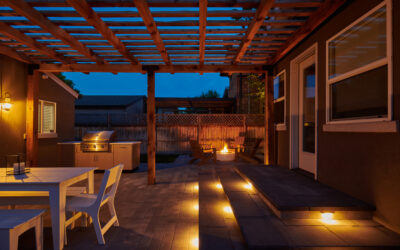
Walkway lighting works best when integrated into a larger landscape lighting plan. Soft illumination from adjacent plantings or architectural features adds depth and avoids harsh contrast. The result is an evening arrival that feels calm, confident, and luxurious.
Designed for Colorado Nights
Cold temperatures and snow require lighting systems that are reliable and professionally installed. We position fixtures to avoid snow buildup and glare off icy surfaces, ensuring the walkway remains functional and beautiful throughout winter.
Related: How Landscaping & Landscape Design in Castle Rock, CO Create Inviting Backyards
What To Plant Along the Front Walkway?
Planting is where a walkway truly comes to life. Hardscape establishes structure, but planting delivers warmth, movement, and seasonal character. Along a front walkway, plants play a critical supporting role: they guide the eye, soften edges, and create a sense of arrival that unfolds gradually rather than all at once. In Englewood and Littleton, thoughtful planting design also ensures the landscape looks intentional year-round, not just during peak growing months.
At Down to Earth, we treat planting along a walkway as an extension of the architecture and hardscape. Every plant choice is deliberate—scaled to the home, responsive to sun exposure, and selected for longevity in Colorado’s climate.
Layered, Not Cluttered
Along front walkways, restraint is key. Overplanting can make an entry feel crowded and chaotic, while underplanting leaves the space feeling unfinished. The goal is balance—layered plantings that define the path without overwhelming it.
We design plantings that:
- Define the path without crowding it
- Maintain clear sightlines and easy access to the entry
- Feel lush and established without becoming overgrown or unruly
This balance is especially important in winter, when perennials die back and structure matters more than color. Evergreens, ornamental grasses, and woody plants provide form and presence even when snow is on the ground, ensuring the walkway never feels bare or forgotten.
Climate-Appropriate Selections
Englewood and Littleton landscapes demand plants that can perform under real conditions—not ideal ones. High-altitude sun, temperature swings, drying winds, and variable moisture all influence what will thrive long-term.
We select plants that can handle:
- Intense sun exposure throughout the growing season
- Temperature extremes from winter cold to summer heat
- Periods of drought followed by heavy moisture or snowmelt
By choosing trees, shrubs, and perennials suited to these conditions, we create plantings that mature gracefully and require less intervention over time. The result is a walkway landscape that looks refined, resilient, and consistent from season to season.
Framing the Experience
Plantings along a walkway do more than decorate the edges—they shape the experience of moving through the space. Low-growing plants near the path keep the walkway open and welcoming, while taller shrubs and layered groupings farther back add depth, enclosure, and visual interest.
This subtle choreography directs attention forward, highlights architectural features, and creates a sense of progression toward the front door. When done well, the planting feels effortless, even though every placement is intentional.
Steps, Landings, and Elevation Changes
Many properties along the Front Range involve gentle slopes, grade changes, or subtle elevation shifts. How these transitions are handled can elevate—or undermine—the entire walkway design. Poorly planned steps or abrupt changes feel awkward and unsafe, especially in winter. Thoughtful transitions, on the other hand, add rhythm and refinement.
At Down to Earth, we view elevation changes as design opportunities, not obstacles.
Thoughtful Step Design
Steps should feel generous, stable, and fully integrated into the walkway—not like an afterthought added to solve a grading issue. Proper rise, tread depth, and alignment are essential for both comfort and safety, particularly during icy or snowy conditions common in Englewood and Littleton.
Well-designed steps:
- Move naturally with the flow of the walkway
- Feel easy to navigate without conscious effort
- Reinforce the overall proportions of the design
When steps are done correctly, they disappear into the experience—supporting movement without drawing attention to themselves.
Landings as Moments of Pause
Landings introduce a sense of calm and intention. They can mark a transition, offer a change in direction, or simply provide a moment to take in the landscape. These subtle pauses prevent longer walkways from feeling rushed or linear.
A well-placed landing adds visual interest, improves comfort, and creates a more relaxed approach to the home—especially important for larger properties or sloped sites.
How Patterns and Layout Add Subtle Sophistication
Pattern selection is one of the quiet signals of quality. Most people won’t consciously notice it—but they’ll feel it. The right layout reinforces movement, complements architecture, and gives the walkway a composed, confident presence.
Directional Flow
Certain laying patterns naturally guide movement forward, subtly encouraging progression toward the entry. We use these patterns to reinforce the direction of travel without making the walkway feel rigid or overly formal.
When the pattern aligns with the path’s geometry, the entire walkway feels intuitive—almost effortless to move through.
Borders and Accents
Borders define edges and sharpen the overall composition of the walkway. They provide visual contrast, reinforce clean lines, and help frame the design within the surrounding landscape.
When used thoughtfully, borders and accents elevate the installation without overwhelming it. They add refinement rather than decoration—an important distinction in high-end landscape design.
Restraint Over Trends
Intentional walkways avoid overly busy or trend-driven patterns. The goal is timeless appeal—designs that feel just as confident ten years from now as they do today.
Restraint allows materials, proportions, and craftsmanship to take center stage. It’s a quieter kind of luxury, but one that lasts.
Do Pavers Need To Be Sealed?
Sealing is often misunderstood, particularly in Colorado’s climate. While it can be beneficial in certain situations, it’s not a universal requirement—and when done incorrectly, it can cause more harm than good.
When Sealing Makes Sense
In some cases, sealing can enhance color depth, reduce surface staining, and add an extra layer of protection. This is most effective when:
- The paver type is well-suited to sealing
- The installation has fully settled
- Moisture levels are carefully considered
Timing and product selection matter just as much as the decision to seal.
Climate Considerations
In freeze-thaw environments like Englewood and Littleton, improper sealing can trap moisture beneath the surface. When that moisture freezes, it can lead to surface damage or premature wear.
That’s why we evaluate each project individually rather than applying a one-size-fits-all approach. Climate, exposure, material type, and drainage all factor into the recommendation.
Long-Term Performance First
Our priority is always longevity. We recommend sealing only when it aligns with the material, installation method, and environmental conditions of the site. A walkway should age gracefully, not require constant intervention to maintain its appearance.
When sealing supports that goal, we’ll advise it. When it doesn’t, we’ll explain why—and design the installation to perform beautifully without it.
Timing and Installation Considerations in Englewood and Littleton
Colorado’s seasons play a major role in landscape construction scheduling.
Ideal Installation Windows
Spring through fall offers the best conditions for walkway construction, though exact timing depends on weather patterns and site conditions. Soil moisture, temperature stability, and access all factor into scheduling.
Planning Ahead
Because high-quality walkway projects require careful preparation, early planning ensures the design, materials, and construction timeline align smoothly. This approach avoids rushed decisions and ensures every detail receives proper attention.
Why Intentional Design Changes How a Home Feels
A thoughtfully designed walkway does something remarkable: it changes how you experience your home every single day. It sets the tone when you leave in the morning and welcomes you back in the evening. It makes guests feel oriented and invited. It quietly communicates quality without ever needing to explain itself.
At Down to Earth, we believe walkways deserve the same level of design consideration as patios, outdoor living spaces, and gardens. When every detail is intentional—from width and material to lighting and planting—the result is a landscape that feels cohesive, confident, and undeniably refined.
For homeowners in Englewood and Littleton who expect more than standard solutions, intentional walkway design isn’t an upgrade. It’s the foundation.
Related: Elevate Your Outdoors With Expert Landscaping and Pergola Designs in Highlands Ranch, CO