Colorado is not a forgiving place to build a deck. The UV exposure at 5,000 feet and above degrades materials faster than at sea level. The temperature swings between a January night and a July afternoon can span over 100 degrees. The air is dry enough to pull moisture from wood in weeks. The afternoon storms drop hail that punishes exposed surfaces. And the snow loads, while intermittent, can be significant when a late season storm settles in and stays.
A deck builder who works in Englewood, CO, and the Denver metro understands that these are not footnotes. They are the design parameters. Every material choice, every structural connection, and every detail of the build needs to account for what this climate delivers. The decks that hold up and the decks that do not are separated by how well the builder understood this from the start.
Related: How Professional Deck Builders Create Lasting Luxury With Composite Decks in Cherry Creek, CO
Why Material Selection Is a Climate Decision
The material conversation is where most homeowners begin. Wood or composite. Natural grain or manufactured texture. Warm tones or cool tones. These are aesthetic preferences, and they matter. But in the Front Range, the material decision is a performance decision first and an aesthetic decision second.
Natural wood, particularly cedar and redwood, has a warmth and character that composite cannot replicate. It is also the material most vulnerable to Colorado’s conditions. The low humidity dries the wood and causes checking and splitting. The UV exposure at elevation fades and grays the surface faster than it would at sea level. And without consistent sealing and staining, typically every one to two years, the wood deteriorates to the point where structural replacement is necessary within a decade.
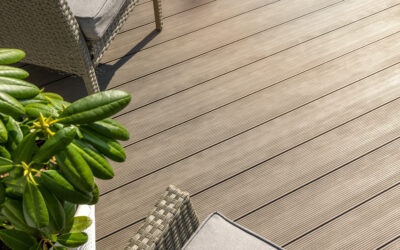
Composite and PVC decking have evolved significantly over the past ten years. The current generation of products delivers realistic wood grain textures, a wide range of color options, and a maintenance profile that requires cleaning but not sealing or staining. The cap stock that covers the composite core resists UV fading, moisture absorption, and the splitting that plagues natural wood in dry climates. For homeowners who want the look of wood without the maintenance cycle, composite is usually the stronger choice in this market.
Hardwood species like ipe and tigerwood offer exceptional durability and a distinctive aesthetic, but they carry a higher material cost and require specialized fastening systems that add to the installation expense. They also develop a silver patina over time if not oiled regularly, which some homeowners prefer and others do not.
Beyond the surface material, the fastening system matters more in Colorado than in most other markets. The temperature differential between a summer afternoon and a winter night causes every material to expand and contract. Hidden fastening systems that allow the boards to move independently prevent the buckling and gapping that occur when boards are face screwed into a rigid position. The fastener must also be rated for the material it is connecting. Stainless steel is required for hardwoods and recommended for composites, because the tannins in wood and the chemical composition of composite cap stock can corrode standard fasteners over time.
Color selection has a performance dimension as well. Darker decking absorbs more solar radiation and reaches higher surface temperatures, which at Colorado’s elevation and UV intensity can make the surface uncomfortable or even unsafe for bare feet during summer afternoons. Lighter tones reflect more heat and maintain a more comfortable surface temperature. This is worth considering for decks that face south or west, where the afternoon sun exposure is most intense.
The deck builder who presents these options with an honest assessment of how each one performs in Colorado’s specific conditions, rather than defaulting to whichever product they carry or prefer to install, is the one worth working with.
What the Structure Needs to Handle
The decking surface gets the attention. The framing beneath it does the work. And in Colorado, the structural requirements are shaped by conditions that differ from lower elevations and more temperate climates.
A deck built in this region needs to account for:
- Snow load, which varies by elevation and municipality but is a design requirement in every jurisdiction along the Front Range. The framing, the joist spacing, and the beam sizing all need to be calculated for the maximum expected snow load, not the average.
- Frost depth, which in the Denver metro ranges from 30 to 36 inches depending on the jurisdiction. The footings that support the deck must extend below the frost line to prevent heaving. A deck built on shallow footings will rise and fall with the freeze thaw cycle, creating movement in the frame that loosens connections and distorts the surface.
- Lateral load, which is the force that wind, occupancy, and seismic activity exert horizontally on the structure. Colorado building codes require lateral bracing in deck construction, and the connection between the deck and the house, the ledger board attachment, is one of the most critical structural details in the entire build. A ledger that is improperly flashed or inadequately fastened is the leading cause of deck failure nationally.
- Soil conditions, which across the Denver metro include expansive clay that swells when wet and shrinks when dry. Footings poured in expansive soil may require deeper excavation, void forms, or pier systems that isolate the structure from the soil movement.
- Drainage beneath the deck, particularly on ground level installations where the gap between the deck surface and the grade is minimal. Water that pools beneath a deck creates moisture conditions that can promote rot in the framing, mold growth on the underside of the surface, and erosion of the soil that supports the footings.
These are engineering requirements, not construction preferences. A deck builder who skips the load calculation, sets the footings too shallow, or attaches the ledger without proper flashing is building a deck that will develop problems. The question is not whether the problems will appear. It is when.
How the Deck Connects to the Outdoor Living Space
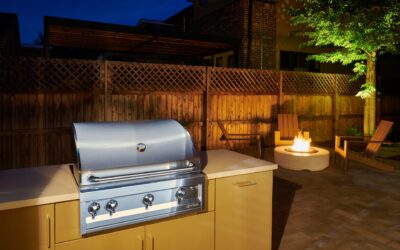
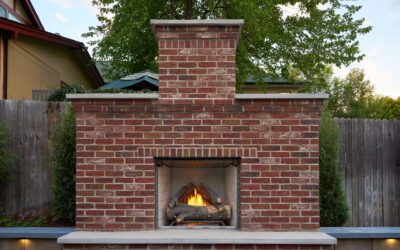
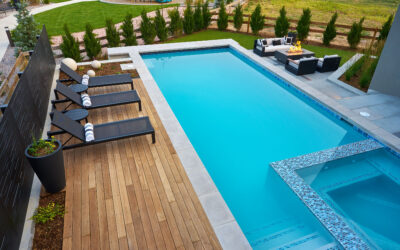
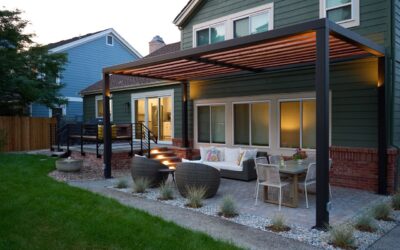
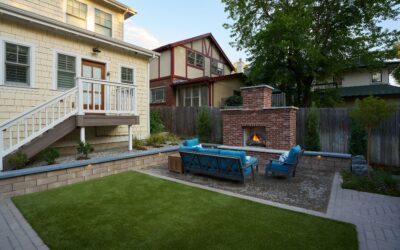
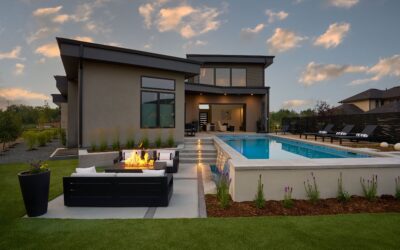
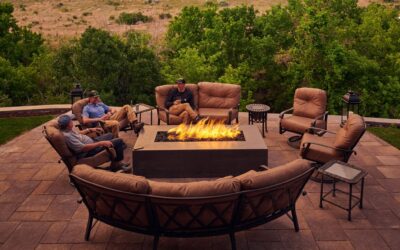
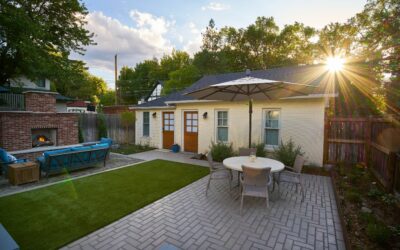
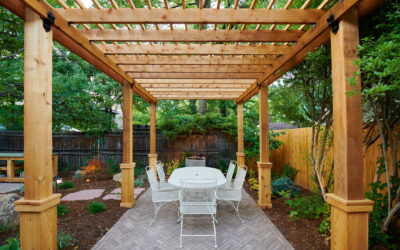
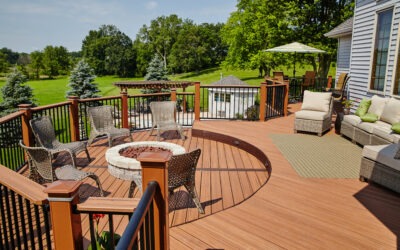
A deck is a surface. But in the context of a designed outdoor living space, it is the platform on which everything else sits. The outdoor kitchen. The dining area. The lounge furniture. The fire feature. The pergola. Each of those elements depends on the deck for its elevation, its orientation, and its connection to the rest of the backyard.
The most successful deck projects in the Denver area are the ones where the deck was designed alongside the rest of the landscape rather than built first and furnished later.
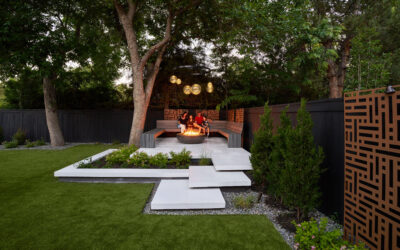
That means the design considers how the deck transitions to the patio at grade. How the stairs connect the upper level to the lawn or the lower hardscape. Where the built in seating or the planter boxes anchor the edges. How the lighting plan integrates into the railing, the risers, and the structure itself. And how the material palette of the deck coordinates with the stone, the concrete, and the plantings in the surrounding landscape.
The design should address these elements before construction begins:
- The elevation of the deck relative to the interior floor level and the finished grade, which determines the step down from the house and the stair configuration to the yard
- The zones within the deck surface, including dining, lounging, cooking, and circulation, each with enough square footage to function without crowding
- The orientation relative to sun exposure and prevailing wind, which in the Front Range typically means afternoon sun from the west and wind from the northwest
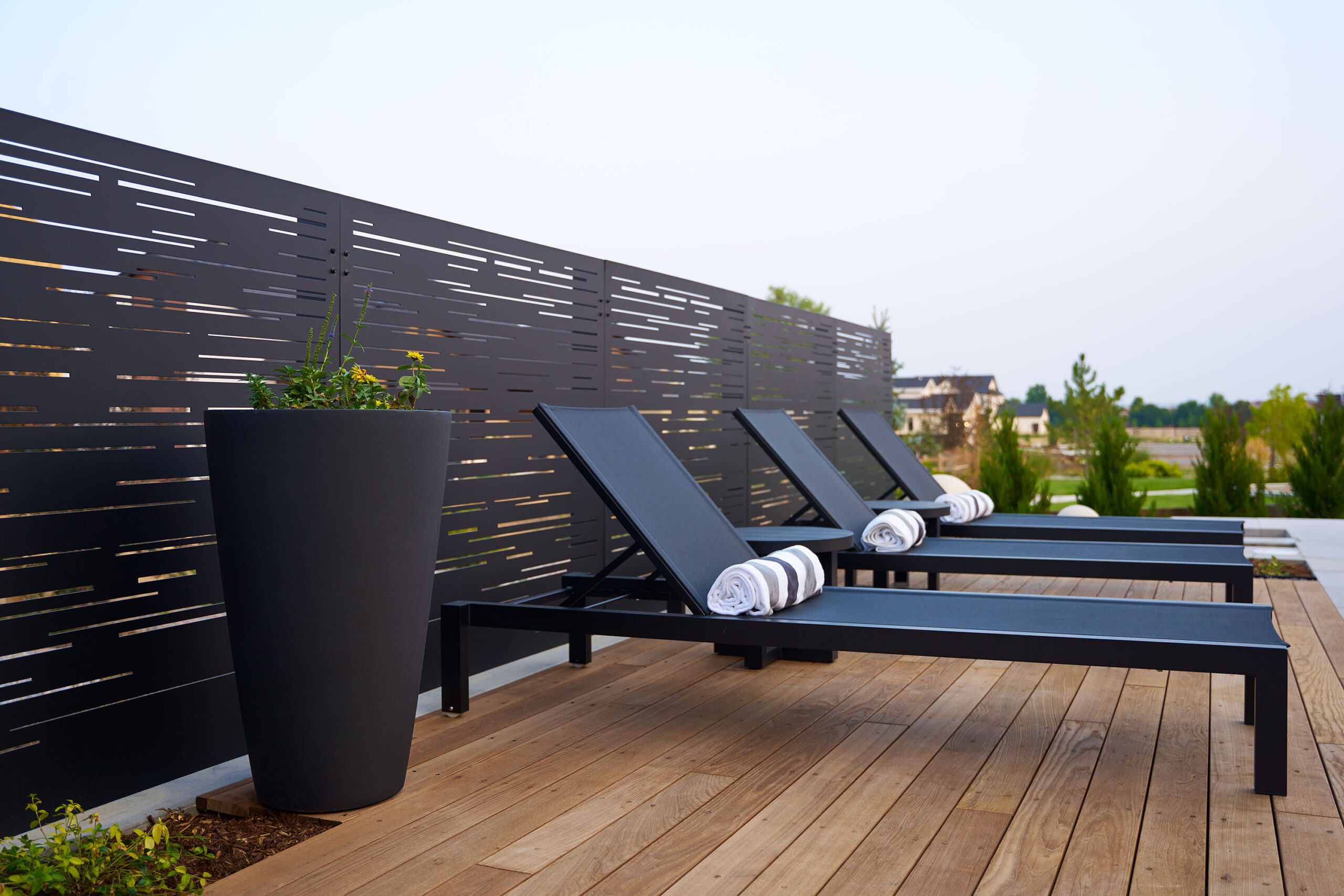
- The privacy screening needed from neighbors, streets, or adjacent properties, whether through railing height, planting placement, or integrated privacy panels
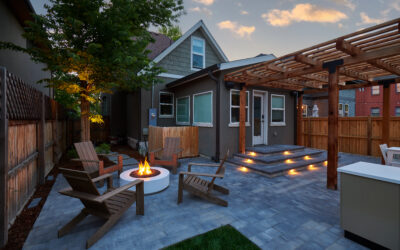
- The lighting layout, including riser lights, post cap lights, rail mounted fixtures, and any overhead lighting on a pergola or shade structure, designed to make the deck usable and inviting after dark
A deck builder who approaches the project with this breadth of vision produces a result that feels like part of the property. One who builds the deck in isolation produces a result that feels like a platform attached to the house.
The Railing, the Stairs, and the Details That Define the Experience
The railing is the most visible vertical element on the deck. It frames every view. It sets the architectural tone. And it is the element that most directly affects how the deck feels when you are standing on it.
Cable railing delivers clean sightlines and a modern aesthetic. It is the preferred choice for properties with mountain views, golf course exposure, or any setting where the view beyond the deck is part of the experience. Glass panel railing achieves the same transparency with a more contemporary character. And metal or wood picket railing provides a traditional look that complements craftsman, farmhouse, and classic architectural styles.
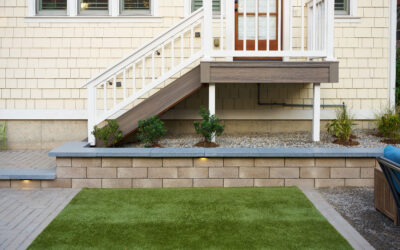
The stairs are the transition between the deck and the grade below. On elevated decks, the stair design affects how people approach and leave the space, and it should feel natural rather than obligatory. Wide stairs with a gentle rise feel welcoming. Narrow stairs with a steep pitch feel like an exit. The tread material, the riser height, the landing dimensions, and the lighting on the stairs all contribute to an experience that is either inviting or perfunctory.
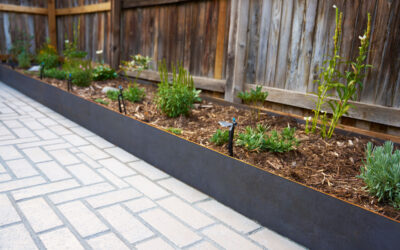
Built in features like bench seating, planter boxes, and integrated storage add function without cluttering the deck with freestanding furniture. Custom steel work, including railing components, fire feature frames, and structural accents, adds a level of detail that distinguishes a designed deck from a basic build.
When to Build and What to Expect
The building season in the Denver metro runs from approximately March through November, with the most productive months falling between April and October. Spring and early summer are the busiest seasons for deck builders, which means the homeowners who begin the design conversation in winter are the ones most likely to secure a start date that aligns with their timeline.
Permitting is required for deck construction in every municipality along the Front Range. The permit process includes plan review, which verifies that the design meets the structural requirements of the code, and inspections at key stages of construction, including footing depth, framing, and final. A deck builder who pulls permits, schedules inspections, and builds to code is a builder who is accountable for the work. One who suggests skipping the permit is one to avoid.
The timeline for a typical residential deck project in this market ranges from two to six weeks depending on the size, the complexity, and the features included. The design phase may add two to four weeks before construction begins. And the lead time for materials, particularly composite and specialty products, should be factored into the overall schedule.
Built for the Climate. Designed for the Moment.
Picture it finished. The deck, the one that was engineered for the snow load and the frost depth and the UV and the clay and every other thing Colorado throws at an outdoor structure, feels like the easiest decision you ever made.
That is what the right deck builder delivers. Not just a surface. The moment.
Related: Top Deck Builder in Centennial and Cherry Creek, CO: Stylish Outdoor Spaces